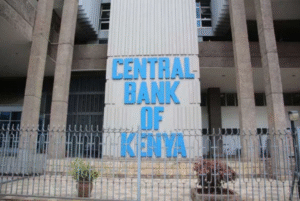
Kenya is steering clear of fresh borrowing from the International Monetary Fund (IMF) for the remainder of the current financial year ending in June, leaning instead on funds raised through the partial sale of Kenya Pipeline Company and new Eurobond issuances.
According to the Treasury, the government has secured enough financing to sustain its budget until the new financial year begins in July. This approach allows the country to sidestep the stringent conditions often tied to IMF support, such as tax hikes, hiring freezes, and reductions in public spending. An IMF delegation from Washington recently concluded a visit to Kenya, where it held talks with senior officials including the Treasury Cabinet Secretary and the Governor of the Central Bank of Kenya.
Treasury Cabinet Secretary John Mbadi indicated that Kenya is not actively pursuing additional IMF funding, noting that recent discussions were largely technical in nature. With limited room to raise taxes or take on more debt, the administration of William Ruto has instead turned to monetising state assets and securitising revenue streams. The government expects to collect about Sh106.3 billion from selling a 35 percent stake in Kenya Pipeline Company and is also finalising the sale of an additional 15 percent stake in Safaricom to Vodacom for roughly Sh244.5 billion.
At the same time, Kenya issued two Eurobonds worth Sh290.3 billion ($2.25 billion), using part of the proceeds to repurchase existing debt valued at $415.35 million while retaining about Sh237.7 billion for budgetary support.
Combined, the proceeds from the asset sales and Eurobond transactions total roughly Sh588.5 billion, a sum estimated to be about five times what the IMF might typically extend to Kenya within a single fiscal year. IMF programmes in recent years have come with strict policy conditions, including increased tax collection, reduced budget deficits, and reforms in state-owned enterprises.
The government’s decision to avoid IMF funding also comes at a politically sensitive moment. Authorities appear reluctant to introduce significant new taxes or increase existing ones after recent deadly protests, and with an eye on calming public sentiment ahead of the 2027 general election.
Mr Mbadi explained that current discussions with the IMF are not focused on launching a new programme immediately. Any potential agreement, he said, would likely relate to the 2026/27 financial year rather than the current budget cycle.
Kenya has also experimented with securitising revenue streams, such as proceeds from the fuel development levy, to finance infrastructure projects. The Treasury’s medium-term plan does not include IMF borrowing over the next four years. The country’s previous IMF programme, agreed in April 2021, ended early after Kenya failed to meet several reform targets.
Among the unmet conditions were restructuring plans for the national carrier Kenya Airways and reviews of revenue generated from fuel levies. As a result, Kenya missed out on about Sh110 billion ($850.9 million) that would have been released following the programme’s final review.
Looking ahead, concessional financing from the World Bank is expected to remain Kenya’s primary external funding source, with additional support from the African Development Bank. Both institutions have played a greater role in shaping policy since Kenya sought cheaper financing after the economic strain caused by the pandemic.
Historically, Kenya avoided direct IMF budget financing during the administration of Mwai Kibaki, relying instead on loans tied to specific development projects. Nevertheless, economists maintain that an IMF programme still serves an important signalling role by reassuring investors about the government’s commitment to fiscal discipline and economic reforms.
Analysts argue that such arrangements help strengthen credibility in global financial markets by demonstrating adherence to prudent fiscal and governance standards. IMF representatives say discussions with Kenyan authorities will continue, with further engagement expected during the IMF–World Bank spring meetings in April.
Also Read: IEBC Announces May 14 By-Elections in Emurua Dikirr, Narok, Samburu and Elgeyo Marakwet
Kenya’s effort to limit reliance on IMF funding also reflects a broader ambition to graduate further up the income ladder and improve its standing in international capital markets. Treasury officials insist that the government is not cutting ties with the IMF entirely, but rather recalibrating the relationship.
As CS Mbadi previously put it, the IMF’s central role is not to bankroll national budgets but to support countries facing balance-of-payments challenges. Kenya, he said, intends to maintain engagement with the institution while gradually reducing dependence on its financing.