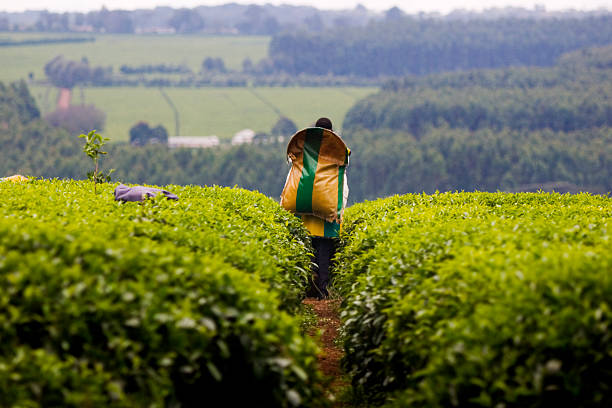
The government expects to raise about Sh1.42 billion annually through newly proposed tea export and import levies, with the bulk of the revenue coming from tea exports.
Under the Tea Levy Regulations, 2026, the Ministry of Agriculture projects that a 0.8% levy on tea exports will generate approximately Sh1.38 billion each year, while a separate levy on tea imports is expected to bring in an additional Sh40 million.
The projections are based on 2023 export figures, when Kenya shipped 522.92 million kilogrammes of tea valued at Sh180.57 billion. According to the ministry, the funds collected will be channelled back into the tea industry to support farmer earnings, research, regulatory operations and infrastructure development.
Of the expected revenue, Sh710 million has been earmarked for the Farmer Price Stabilisation Fund, Sh284 million for research activities, and Sh213 million each for the Tea Board of Kenya’s operations and county government infrastructure projects.
The regulations restore a statutory levy that had previously been abolished in 2016. The ministry argues that the removal of the levy weakened funding for key institutions, including the Tea Board of Kenya and the Tea Research Institute, resulting in reduced investment in research, quality monitoring and market promotion.
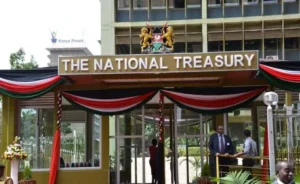
Also Read: MPs Raise Concerns Over Treasury’s Planned Sh400m Renovation of Building Yet to Be Acquired
Officials say the revived levy will create a self-sustaining financing mechanism for the sector, supporting initiatives such as research, marketing, infrastructure development and farmer income protection. The ministry emphasised that the levy will be paid by tea exporters and importers rather than farmers or processing factories.
The regulations also introduce a 100% import levy on made tea, which the government describes as a safeguard against low-cost and low-quality tea imports from neighbouring countries. Authorities maintain that the measure is intended to protect local producers rather than serve as a revenue-generating tool.
According to the ministry, half of the levy proceeds will be directed to the Farmer Price Stabilisation Fund, which will help cushion growers against volatile global tea prices, provide supplementary support to smallholder farmers when earnings fall below sustainable levels, and offer relief during climate-related shocks such as droughts and floods.
Some tea products will remain exempt from the levy. These include value-added tea packaged in containers of 10 kilogrammes or less, tea extracts and aroma products, as well as Kenyan tea processed for value addition within Export Processing Zones.