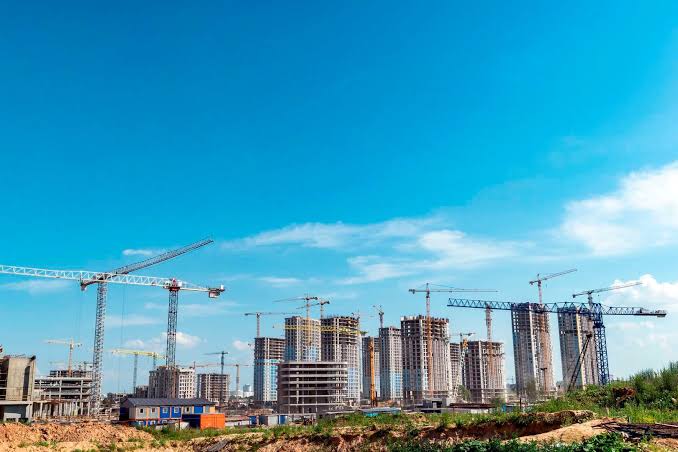
Apartment prices in Kenya continued to weaken for the fourth consecutive quarter in the year to March 2026, weighed down by an oversupply of flats, while the cost of standalone homes climbed sharply on stronger demand.
Data from the Kenya National Bureau of Statistics (KNBS) show apartment prices dropped three percent over the period, extending a prolonged downturn that has seen flat prices decline in most quarters over the past three years. In contrast, prices for maisonettes, bungalows and villas rose 8.5 percent, reflecting sustained demand for standalone housing.
The rise in standalone home prices lifted the overall residential property index by 4.8 percent year-on-year. KNBS attributed the increase to growing demand for detached homes despite limited supply.
Nairobi’s apartment market remained under pressure, with prices in high-end neighbourhoods falling 4.8 percent and those in middle-income estates declining 3.3 percent. The weakness comes after years of intensive apartment construction that has outpaced buyer demand, leaving developers with excess inventory and slower sales.
Many apartment projects launched several years ago are still being completed, adding more units to an already saturated market. Areas such as Kilimani, Kileleshwa and Parklands have experienced a rapid shift from low-density housing to high-rise apartment developments following changes in zoning regulations.
The increase in high-density developments has also drawn criticism from some residents, who argue that roads, water supply and sewer systems have not been expanded sufficiently to support the growing population. Meanwhile, developers have increasingly turned to discounts, flexible payment plans and other incentives to attract buyers and reduce unsold stock.
Outside Nairobi, however, apartment prices increased by 7.5 percent during the review period, while standalone houses recorded price gains across the country as limited supply continued to support values.
Also Read: Investor Compensation Fund Grows to Sh6.8 Billion on Higher Investment Returns
A recent KNBS survey found that most aspiring homeowners favour detached homes. About 63.1 percent of respondents said they would choose a bungalow, followed by 23 percent who preferred maisonettes. Apartments ranked a distant third at 9.5 percent.
According to HassConsult co-Chief Executive and Creative Director Sakina Hassanali, the high cost of acquiring large parcels of land has limited the supply of standalone homes, even as demand remains strong. She noted that expanding satellite towns around Nairobi has enabled developers to build more detached homes, attracting buyers seeking larger living spaces and greater privacy.
The decline in apartment prices also contributed to a reduction in the average mortgage size for the first time in seven years. Central Bank of Kenya data show the average home loan fell to Sh9 million in 2024 from Sh9.4 million a year earlier, even as the number of mortgage accounts increased by 756 to 30,016. Although commercial banks have gradually lowered lending rates following the Central Bank’s monetary easing, mortgage financing remains out of reach for many potential homebuyers.