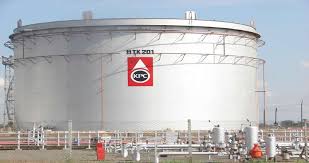
The Treasury is banking on a late surge to raise Sh106.3 billion from the sale of a stake in Kenya Pipeline Company (KPC), with just days left before the IPO closes on Thursday and subscriptions lagging behind expectations.
Leading stockbrokers and investment banks say selling the shares has been tougher than anticipated, particularly among high-net-worth investors who showed interest but have yet to commit funds. With only four days remaining, the final stretch is shaping up as decisive for what would be East Africa’s largest IPO in local-currency terms.
Four senior brokers, speaking anonymously to avoid possible government backlash, estimate that only about 10 percent of the offer, roughly Sh11 billion, had been taken up by Thursday evening. Disagreement over KPC’s valuation has further dampened momentum.
The government priced the IPO at Sh9 per share when the offer opened on January 19, with trading on the Nairobi Securities Exchange expected to begin on March 9. Treasury Cabinet Secretary John Mbadi remains confident that most investors will come in at the last minute, describing the slow start as typical behaviour. He pointed to strong demand from certain investor segments, though without providing figures.
Mbadi likened the situation to voter registration drives, where participation spikes just before deadlines. He also noted that Ugandan investors were unhappy with the 20 percent cap allocated to the East African pool, having sought a larger share.
For the offer to proceed, KPC must secure valid applications from at least 250 investors covering half the shares on offer, translating to a minimum of Sh53.1 billion. The allocation structure sets aside 15 percent for oil marketing companies, five percent for employees, and the rest split evenly among local retail investors, local institutions, East African investors and foreign investors. The State will retain a 35 percent stake.
Under the offer rules, any undersubscribed category will have its valid applications fully allotted, with remaining shares redistributed starting with local retail investors and ending with oil marketing companies. In the event of oversubscription, Kenyan investors will be prioritised.
The sale of a 65 percent stake in KPC forms part of a broader government divestment strategy aimed at easing pressure from heavy debt, limited tax headroom and loan repayments that consume about 40 percent of annual revenues. The IPO is expected to surpass the Sh50 billion raised in Safaricom’s 2008 listing, though currency depreciation means Safaricom may still hold the dollar-value record.
The offering comes against the backdrop of a strong rally at the NSE, which recently recorded its biggest-ever weekly gain. Transaction advisers remain optimistic, saying institutional investors are likely to finalise their positions before the deadline.
However, the IPO has been weighed down by conflicting valuations from investment banks. While some pegged KPC’s value at Sh9 per share, others placed it significantly lower. Investor caution has also been fuelled by plans to cut the dividend payout ratio from an average of 94.5 percent to 50 percent and by major future capital expenditure, including the construction of a new Mombasa–Nairobi pipeline.
Analysts suggest the offer may appeal more to long-term investors willing to hold for at least seven years, while those focused on dividends or short-term returns may find better opportunities elsewhere.
Advisers say recent upgrades to the e-IPO platform and the introduction of M-Pesa-based applications have improved uptake, particularly among institutional investors. With days to go, they are urging retail investors to seize the remaining window, citing confidence in KPC’s fundamentals, national importance and consistent performance.