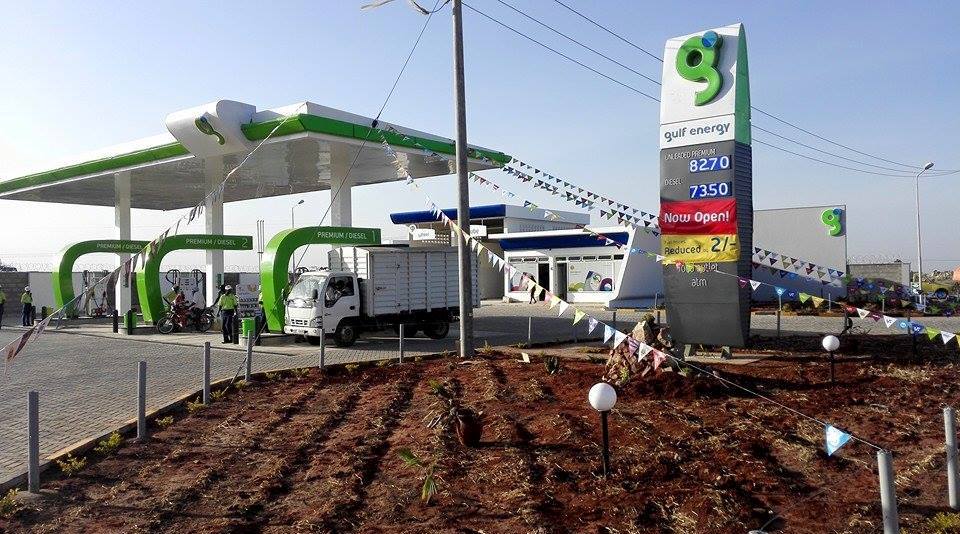
Kenya has approved a suite of tax breaks and operational incentives for Gulf Energy E&P B.V. after signing a revised addendum to the production-sharing contract for the Turkana Block T7 oil project.
The new terms strip away a range of taxes and levies for Gulf Energy and its subcontractors, including VAT on goods and services directly tied to petroleum work, the Railway Development Levy, and several import-related charges.
The Ministry of Energy and Petroleum has already cleared Gulf Energy’s field development blueprint for Blocks T6 and T7. The plan sets out a two-stage rollout aiming for initial production by December 2026 before scaling up to a targeted 50,000 barrels per day.
Current estimates place recoverable reserves across the basin at about 326 million barrels, with total investment forecast at US$6.1 billion over the lifespan of the 25-year contract.
Under the addendum, the company is freed from import declaration fees and withholding tax on services and interest linked to its petroleum operations. The updated framework sweeps away the previous tax regime altogether, lifting the 16 percent VAT, the 5 percent withholding tax on local services, the 5.625 percent levy on imported services, the 2 percent Railway Development Levy, and the 2.5 percent Import Declaration Fee.
Also Read: KenGen Tapped to Steer and Run Kenya’s First Nuclear Power Station
Gulf Energy will also enjoy a higher cost-oil recovery ceiling, now capped at 85 percent of annual production instead of the earlier 65 percent. The definition of capital expenditure has been broadened to explicitly capture drilling, surveys, transport, mobilisation, and decommissioning, providing clearer guidance on what qualifies for reimbursement.
The addendum additionally formalises the shift from the old Block 13T label to the new Block T7 following the government’s recent reorganisation of petroleum acreage. It also documents the long trail of ownership transfers—from Platform Resources to Africa Oil, then Tullow Kenya, before Gulf Energy bought Tullow’s upstream business for US$120 million in a deal completed in October.
Government entitlement from contractor sales has been raised to a minimum of 20 percent, up from 15 percent in the original contract, with state back-in rights fixed at 20 percent through the National Oil Corporation. According to concurrent agreements, Kenya’s share of profit oil starts at 50 percent and can climb to 75 percent at peak output, while a 26 percent windfall tax will kick in once oil prices hit US$50 per barrel.
The logistics provisions have also been modernised, now allowing the contractor to lift the government’s share of crude from Mombasa or another mutually agreed site.
The revamped contract now awaits parliamentary scrutiny. With Gulf Energy holding full participating interest in Block T7 and operating across South Lokichar, the addendum effectively sets the commercial and operational rulebook for Kenya’s next attempt at securing a spot among Africa’s oil-producing states.

