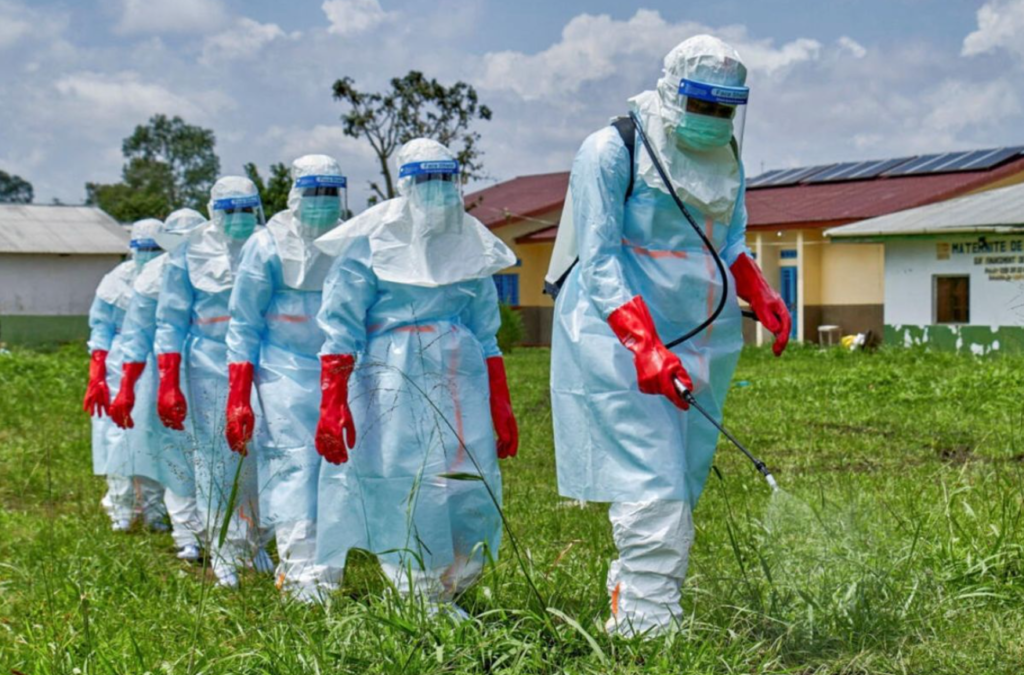
Kenya has intensified nationwide Ebola preparedness measures amid an ongoing Ebola Virus Disease (EVD) outbreak affecting parts of the Democratic Republic of the Congo and Uganda, Health Cabinet Secretary Aden Duale announced.
In a public update issued on Friday, the Ministry of Health assured Kenyans that no confirmed Ebola cases have been reported in the country as of June 5, 2026.
Duale said Kenya remains at an elevated risk of disease importation due to its close regional connectivity through trade, transport, and population movement.
However, he emphasized that the government has significantly strengthened surveillance and response mechanisms to safeguard public health.
The country has activated its National Incident Management System, enhanced screening at points of entry, designated specialized laboratories for Ebola testing, and strengthened coordination between national and county governments.
According to the ministry, more than 80,000 travelers have been screened for Ebola at various entry points into the country, including 3,969 screened within the last 24 hours.
Additionally, 56 samples collected from individuals with recent travel histories to the Democratic Republic of the Congo and Uganda have been tested, with all results returning negative.
The government has designated four laboratories for Ebola testing: the National Public Health Laboratory, KEMRI Nairobi, KEMRI Kisumu, and a mobile laboratory stationed at the Busia One-Stop Border Post.
The ministry has also identified 25 high-risk counties, placed 347 rapid response personnel on standby, and trained more than 1,759 healthcare workers across national and county levels on Ebola preparedness and response.
Duale noted that simulation exercises are underway in high-risk counties to assess the country’s readiness to detect and contain any potential outbreak.
The Ministry of Health is also conducting public awareness campaigns targeting border communities, healthcare workers, transport operators, and other vulnerable groups.
Members of the public have been urged to seek immediate medical attention if they experience symptoms associated with Ebola, including fever, chills, headache, joint pain, muscle aches, vomiting, diarrhea, fatigue, skin rash, sore throat, or signs of impaired kidney or liver function, especially after recent travel to Uganda or the Democratic Republic of the Congo.
The ministry further advised Kenyans to maintain high standards of personal hygiene, avoid contact with bodily fluids of sick individuals, refrain from handling sick or dead animals, and rely only on information from official sources.
Duale called on the public to remain calm and avoid spreading unverified information that could cause unnecessary panic, adding that the government continues to monitor the regional situation closely and will provide updates as necessary.
The ministry said Ebola preparedness information and public health messages are available through the *719# service and official Ministry of Health communication platforms.
READ ALSO;
Sakaja Suspends Nairobi Planning Chief Analo After EACC Raid, Orders Reforms