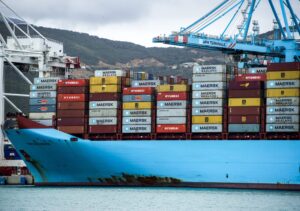
As the High Court prepares to issue a ruling on January 29, 2026, over a petition challenging the Government’s move to permit limited, duty-free rice imports, the State has sought to reassure both farmers and consumers that local production remains fully supported even as the country grapples with a growing food supply deficit.
The case unfolds against worsening drought conditions and mounting supply pressures, with Kenya currently producing less than 20 per cent of the rice it consumes. Projections indicate that by early 2026, the national rice deficit will surpass 380,000 tonnes. Demand between January and June alone is estimated at around 750,000 tonnes, far beyond what domestic stocks can supply.
Rice cooperatives in Mwea and other major producing regions say all locally grown rice delivered to the market has been absorbed and paid for, easing long-standing farmer concerns over delayed payments, stock accumulation and cash-flow constraints at a time of intensifying climate and price pressures.
At the heart of the court challenge is the constitutional right to food, with judges being asked to strike a balance between safeguarding farmers’ livelihoods and the State’s duty to ensure affordable and sufficient food for the population. Government officials maintain that carefully managed, time-bound imports are necessary to stabilise prices and avert shortages that could spill over into wider food inflation, affecting staples such as maize.
Also Read: High Court Affirms WhatsApp and SMS Messages as Valid Evidence of Contracts
Mwea Rice Growers Multipurpose Co-operative Society chairperson Ndege Muriuki and managing director Anthony Waweru said rice offloading and payments have proceeded smoothly, with carry-over stocks falling to below one per cent in 2026, a sharp drop from nearly 30 per cent the previous year.
“As of December 31, all rice delivered had been paid for, and the Kenya National Trading Corporation is ready to take up all rice farmers bring,” Waweru said.
Erratic rainfall and reduced planting in key production zones have already disrupted output, while official estimates warn that the number of food-insecure people in arid and semi-arid counties could rise from 1.8 million to 3.5 million if mitigation efforts falter.
The Government has further committed to buying all paddy and milled rice offered for sale, with payments guaranteed within 30 days.