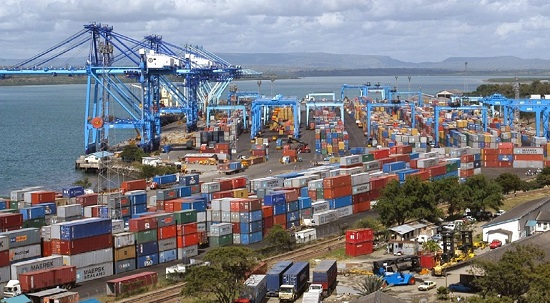
Cargo traffic through the Port of Mombasa climbed to an all-time high of 45.45 million metric tonnes in 2025, cementing Kenya’s status as East Africa’s principal maritime hub, even as the surge exposed mounting congestion pressures.
Figures from the Kenya Ports Authority show total cargo handled at the port grew by 10.9% compared to the previous year, while container volumes rose to 2.11 million TEUs from 2.00 million in 2024. Transit cargo recorded even stronger growth, jumping 19.5% to 15.88 million tonnes, fuelled by demand from Uganda, Rwanda, South Sudan, eastern Democratic Republic of Congo and parts of northern Tanzania.
However, the sharp increase in volumes is stretching port capacity, with congestion intensifying as regional trade routes adjust following Tanzania’s elections late last year. In the post-election period, some traders diverted shipments to Mombasa or cleared delayed consignments there as operations at Dar es Salaam gradually returned to normal.
The influx has renewed pressure at the Port of Mombasa and inland container depots, where empty container backlogs, full yards and slow cargo evacuation are now hampering efficiency. Manufacturers warn that the congestion is already interfering with production timelines, particularly for firms dependent on imported inputs and time-sensitive exports.
The Kenya Association of Manufacturers says limited capacity at empty container depots, poor evacuation planning by shipping lines and weak coordination among port stakeholders are worsening delays at both Mombasa and the Nairobi Inland Container Depot. According to KAM chief executive Tobias Alando, businesses are contending with rejected container returns, restricted booking slots and narrow return windows, all of which are slowing cargo movement and disrupting normal port operations.
Also Read: Controller of Budget Warns Against Adopting IMF Programmes Wholesale Amid Fiscal Risks
Sectors feeling the strain include metals, food processing, textiles and automotive assembly, which rely heavily on imported petroleum products, iron and steel, wheat, palm oil, plastics, chemicals and machinery sourced largely from China, the UAE, India and Malaysia.
The need to ease congestion has become more urgent ahead of the avocado harvesting season, with the government keen to prioritise perishable exports that depend on fast and reliable logistics. As a result, port performance has attracted high-level attention, with officials framing it as a competitiveness issue rather than a purely operational concern.
Investment, Trade and Industry Cabinet Secretary Lee Kinyanjui said the government is stepping up efforts to improve efficiency at Mombasa as part of a broader push to strengthen Kenya’s role in regional and global trade. He noted that congestion challenges require coordinated solutions, given that more than 80% of the country’s imports and exports move by sea.
To cope with rising demand, KPA says it is expanding capacity, including the development of berths 19B, 23 and 24, which are expected to add 1.4 million TEUs. The authority is also upgrading its terminal operating system, automating gates and modernising equipment.
Elsewhere, alternative ports are seeing growing activity. The Port of Lamu handled 799,161 metric tonnes in 2025, up sharply from 74,380 tonnes the previous year, while Kisumu’s inland port processed 496,516 tonnes, a 55% increase, highlighting the expanding role of lake transport in regional trade.

