Sasini PLC has reported a net loss of KSh 170.8 million for the six months ending March 31, 2026, marking its third consecutive half-year loss and a 51% decline from the KSh 113.1 million loss posted during the same period last year.
The agribusiness firm attributed the weak performance to drought-induced production challenges, rising financing costs, and the failure of the much-anticipated KSh 7.9 billion sale of its Gulmarg Estate in Kiambu.
Despite the challenges, revenue rose marginally by 1.7% to KSh 3.01 billion from KSh 2.96 billion a year earlier, maintaining a relatively stable trend seen over the past three first-half reporting periods.
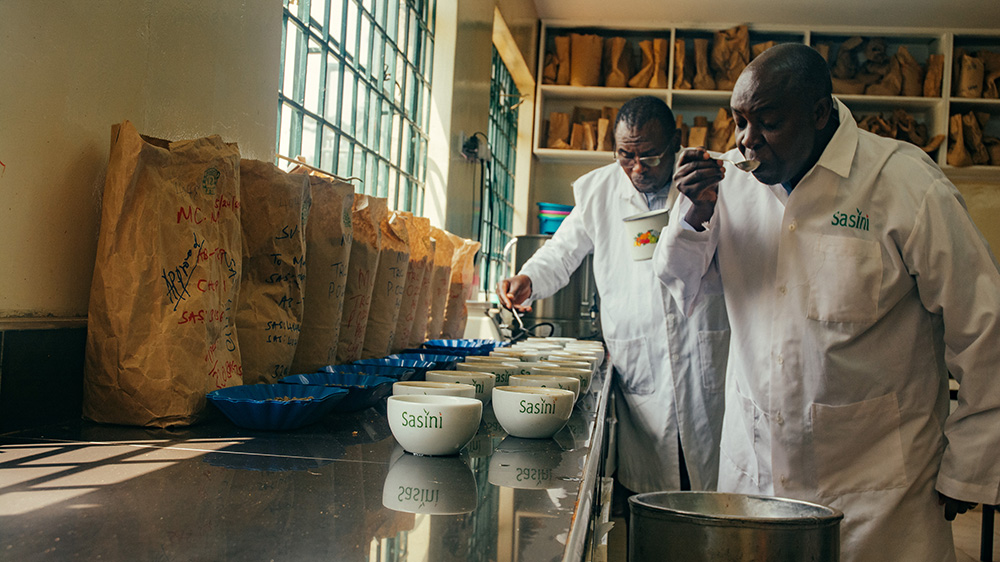
Coffee remained the company’s strongest-performing segment, with exports increasing to 236 containers and average prices rising to KSh 800 per kilogram from KSh 653 previously. Tea operations, however, continued to struggle amid oversupply at the Mombasa Auction, with volumes dropping to 11.77 million kilograms from 12.06 million kilograms.
Macadamia exports fell to 10 containers from 15, while avocado shipments declined sharply to 22 containers from 71, as both crops had yet to reach peak harvest levels by the end of the reporting period.
Although gross profit improved by 8.2% to KSh 617 million, boosting the gross margin to 20.5% from 19.2%, higher operating and borrowing costs eroded the gains. Operating losses widened to KSh 141.8 million from KSh 107.5 million, while finance costs surged to KSh 56.2 million from KSh 10.5 million, largely due to drawdowns on a USD 34 million Standard Chartered loan facility.
Cash reserves also declined significantly, dropping nearly 85% to KSh 112 million from KSh 736 million recorded a year earlier.
The collapse of the Gulmarg Estate transaction dealt a further blow to the company. The proposed KSh 7.9 billion sale, which had valued the property well above its KSh 3.78 billion book value, was expected to generate a disposal gain of about KSh 4.1 billion and had fuelled a sharp rally in Sasini’s share price earlier in the year. However, the buyer failed to meet contractual obligations within the agreed timeline, forcing the company to abandon the deal and return the estate to operational status.
Also Read: KMPDU Tells Govt To Set Up Ebola Quarantine Facility In DRC, Not Kenya
Historically, Sasini’s fortunes have been closely tied to commodity market cycles. The company delivered its strongest first-half profit in 2016, driven by gains in biological asset valuations, while robust coffee prices supported a strong operating performance in 2022. Since then, persistent tea oversupply, high avocado logistics expenses, and constrained macadamia production have weighed heavily on earnings, resulting in operating losses in four of the last five first-half periods.