The government is set to extend the Treasury Single Account (TSA) system to county governments starting July, in a move designed to tighten oversight of public finances and improve management of pending bills.
The shift will overhaul how counties handle public funds, moving away from the current arrangement where money is dispersed across multiple commercial bank accounts. Instead, all public cash will be centralised under a unified structure overseen by the National Treasury and the Central Bank of Kenya (CBK).
The reforms form part of wider efforts to strengthen expenditure control, enhance transparency over public balances, and reduce reliance on costly short-term borrowing amid ongoing fiscal pressures.
What the TSA means
The TSA is a consolidated government banking framework that brings all public funds under a central cash management system. Rather than operating separate accounts across ministries, departments and counties, all transactions are linked to a central structure at the CBK, allowing real-time monitoring and more efficient use of available cash.
Why counties are being included
According to the National Treasury, extending TSA to counties is aimed at improving accountability, streamlining cash management, and addressing persistent pending bills. Counties currently hold significant balances in commercial banks while suppliers remain unpaid, creating inefficiencies and visibility gaps in public spending.
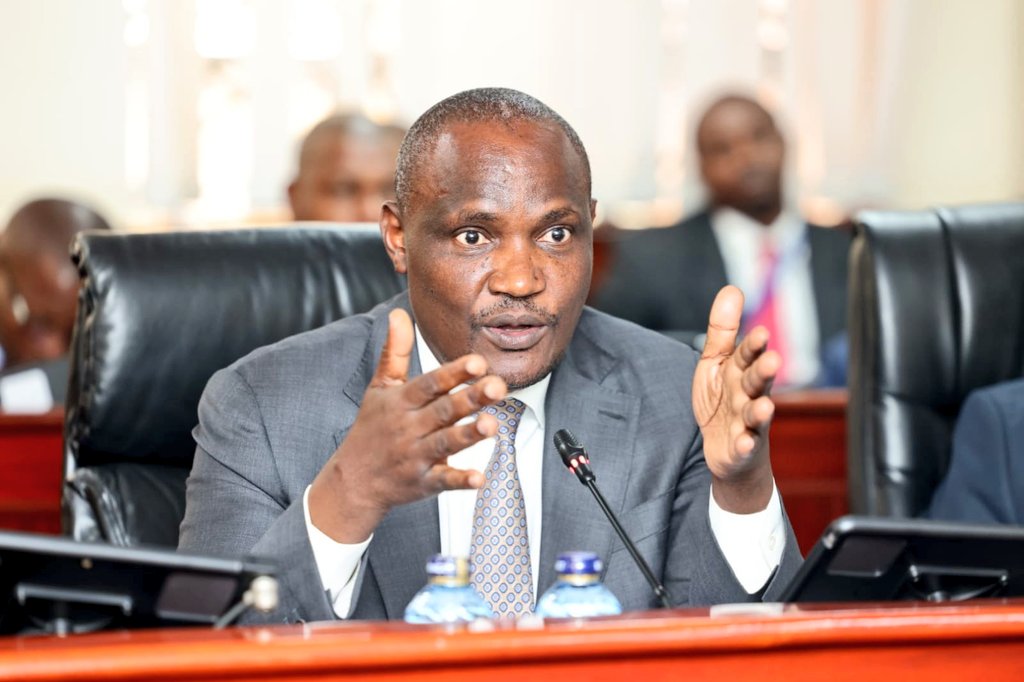
Treasury Cabinet Secretary John Mbadi has indicated that implementation will begin with digitising county exchequer requisitions before full integration into the TSA system.
Impact on county revenue collection
County-generated revenues such as parking fees, business permits and market levies will still be collected, but they will be channelled into a centralised system. Once deposited, these funds will no longer be freely accessible at departmental level, as usage will be subject to Treasury oversight.
Changes to existing bank accounts
County accounts held in commercial banks will cease operating as independent spending pools. Instead, they will function within a TSA-linked framework where balances are either pooled centrally or reflected in real time at the CBK, with the Treasury maintaining full visibility over cash positions.
How spending will be approved
Counties will be required to process expenditure through a standardised digital requisition system connected to the National Treasury. Payment requests will be validated centrally against available government liquidity before funds are released to designated settlement accounts.
Implications for counties and suppliers
The system is expected to improve payment tracking and help address the long-standing issue of pending bills, where suppliers go unpaid despite funds being available within county systems. However, it may also reduce flexibility in how departments manage and deploy funds due to increased central oversight.
Also Read: Microfinance Banks Face Sh2.9 Billion Capital Gap as New Rules Spur Consolidation
Effect on commercial banks
Banks are likely to feel the impact as government deposits, previously spread across multiple accounts, are consolidated under the CBK. This could reduce liquidity available to commercial banks, particularly smaller institutions that rely heavily on public sector funds.
Will it solve fiscal challenges?
While the TSA is expected to improve cash efficiency and strengthen financial discipline, it will not on its own resolve broader fiscal challenges such as deficits, debt pressures, corruption risks or weak procurement systems. Its primary benefit lies in improving transparency, reducing idle balances, and lowering unnecessary borrowing costs.