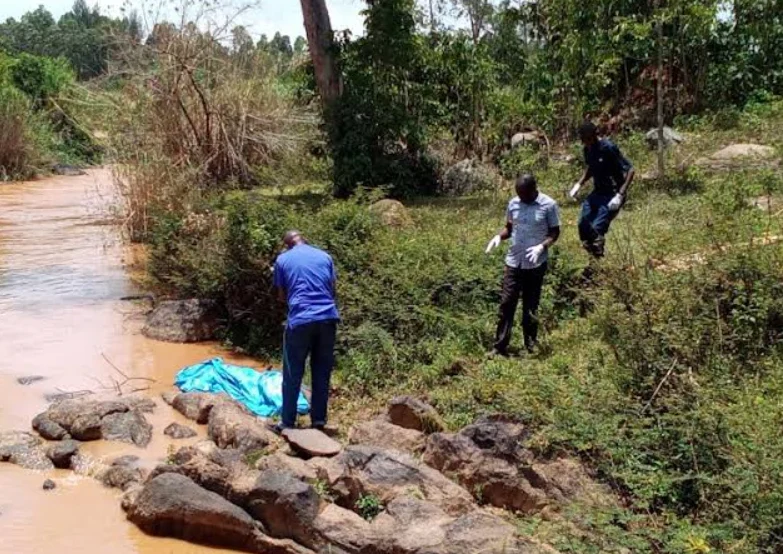
At least 15 of the 25 bodies retrieved from River Yala between 2013 and 2025 were buried unclaimed, the Independent Policing Oversight Authority (IPOA) revealed.
The authority said only 10 bodies were positively identified through DNA testing and released to their families for burial, while the remains of the other 15 were interred without being claimed.
IPOA Chairperson Dr. Duncan Ojwang said the authority had investigated the 25 cases, conducted DNA tests and matched the remains to 10 families. He added that the DNA samples of the unidentified victims had been preserved for possible future identification.
IPOA submitted its findings to the Panel of Experts on Compensation of Victims following a request for information on the River Yala killings.
IPOA had previously forwarded its investigation file to the Office of the Director of Public Prosecutions (ODPP), which reviewed the file and directed that it be handed over to police for further investigations.
“We received a letter from the panel to assist with information about the River Yala killings. We were able to answer that call. Today, they received the IPOA independent account on what happened to the victims.
IPOA had already handled the issue of R. Yala,” Ojwang stated.
The authority said it had also interacted with some of the affected families, with 10 families pursuing compensation while the remaining 15 cases followed a different process. IPOA urged anyone with information about the victims to come forward.
The report comes as the Panel of Experts on Compensation of Victims moves towards concluding its work on claims arising from human rights violations during protests.
Panel chairperson Prof. Makau Mutua said the health of a nation depended on the relationship between the state and its citizens, noting that the government had a responsibility to protect the safety and security of everyone.
He said Kenya’s history included instances where the state had failed in that responsibility, making scrutiny and accountability necessary.
“No country is innocent of human rights violations; what distinguishes responsible states is what they do after the violations, and what accountability measures are put in place to ensure violations don’t recur,” Prof. Mutua said.
“The president appointed a panel and charged us with the responsibility to investigate, document and verify abuses during protests.”
Mutua said the panel had processed 1,392 claims, including 236 fatalities, 700 cases of injuries ranging from severe to mild, 140 claims relating to economic losses and 16 cases involving sexual violence.
He dismissed claims that the panel had compensated only one victim, saying the figures reflected the work already undertaken.
The River Yala killings came to public attention after multiple bodies were discovered in River Yala, Siaya County, over several years, raising concerns over extrajudicial killings and enforced disappearances.
The discoveries sparked public outrage and calls for investigations into the circumstances surrounding the deaths and possible links to security agencies.
