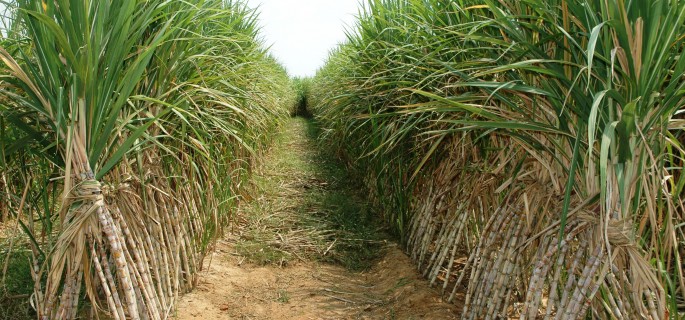
Kenya has formally opened its sugar market to COMESA states after the expiry of a 24-year tariff protection regime, marking a decisive shift towards regional competition as the government leans on structural reforms to steady the sector.
The move followed the lapse of the COMESA sugar safeguard on 30 November 2025, a measure introduced in 2001 to shield local farmers and millers from cheaper imports while the industry underwent restructuring. Over the protection period, sugar production climbed by 76 per cent from 2022 to reach 815,454 metric tonnes, while cane acreage expanded by 19.4 per cent to 289,631 hectares. Despite the safeguards, Kenya continued to import between 300,000 and 350,000 tonnes of sugar annually from the COMESA region.
In parallel, state-owned sugar mills were transitioned into long-term private leases, a strategy aimed at restoring production capacity, strengthening governance and improving payments to farmers.
Also Read: Man Clobbered To Death Over Sh450 Bill In Bar In Nyankongo, Kisii County
Yet the fundamentals still dictate market reality. Kenya’s annual sugar demand stands at about 1.1 million tonnes, far above domestic output, leaving the country reliant on imports to bridge the gap. As a result, controlled import arrangements remain in place to stabilise supply and prices, underlining that production gains alone have not delivered self-sufficiency.
Cane supply volatility remains a core challenge. Data from the past 15 years shows pronounced fluctuations rather than consistent growth. Deliveries peaked at a record 9.33 million tonnes in 2024, but between January and October 2025 they fell sharply to 5.53 million tonnes, a drop of roughly 41 per cent.
This instability has direct implications for farmers and consumers alike. Reduced domestic supply heightens the risk of upward pressure on prices, especially when imports are disrupted by logistical hurdles or foreign exchange constraints.