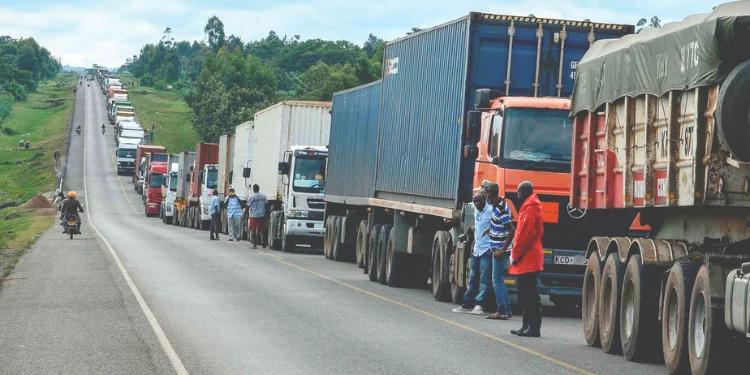
Kenyan transport operators are lobbying for an upward revision of minimum freight charges for high value cargo, arguing that escalating highway theft, mounting tax exposure and growing risks to drivers have rendered current pricing untenable.
The Kenya Transporters Association proposes a floor of 2,000 US dollars for premium consignments moving along the 1,150 kilometre Kampala to Mombasa route, and 1,250 dollars for lower value goods. At present, shipments of coffee and cocoa worth between 80,000 and 150,000 dollars are typically hauled for about 900 dollars per load. The association describes that rate as commercially indefensible given the prevailing risk profile.
The pressure follows a spike in organised cargo theft. The association reports eight coffee related heists in the past two months alone, some of which led to the deaths of drivers. The threat is no longer theoretical. It is personal and operational.
Compounding the strain is the East African Community Customs Management Act of 2004. Under its provisions, transporters remain liable for duties and taxes on stolen goods. Even where criminal networks intercept consignments, operators must still settle the government’s claim. Industry players argue that this automatic liability regime leaves them absorbing losses for crimes they neither orchestrated nor benefited from.
Also Read: Competition Authority Slaps GT Bank with KSh33.18 Million Fine Over Disputed Credit Renewal Charges
The association has urged cargo owners to arrange armed escorts and secure comprehensive insurance. Drivers are being advised to avoid night journeys, use designated secure parking zones and travel in convoys where possible. Firms are also encouraged to tighten contractual clauses and obtain carrier liability cover so that responsibility is explicitly allocated.
The notice arrives amid wider unease over the resilience of the Northern Corridor, the artery connecting the Port of Mombasa to inland markets across East Africa. Persistent theft, layered on top of statutory tax obligations, risks unsettling regional supply chains.
Figures from the Kenya Revenue Authority’s Customs and Border Control Department show customs collections reached 879.3 billion shillings in the 2024 to 2025 financial year, up 11 percent from the previous year. That equates to roughly 3 to 3.5 billion shillings in daily duty revenue on imports and transit goods. Against that backdrop, transporters contend that the cost of securing those flows cannot continue to be priced as if risk were negligible.