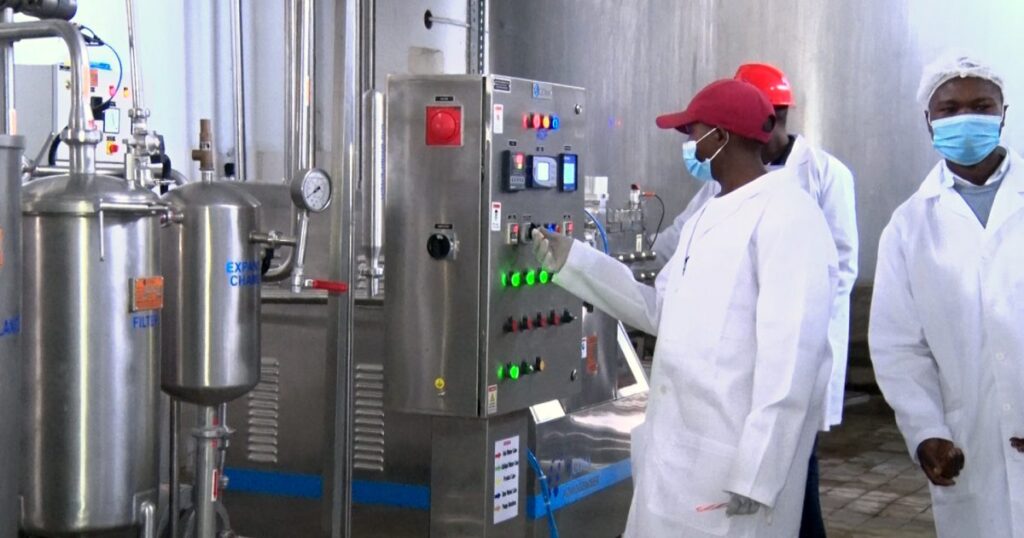
Kenya’s recorded milk deliveries to formal processors exceeded the one billion litre mark for the first time in 2025, climbing 11.5 percent to 1.014 billion litres from 909.0 million litres in 2024, according to data from the Kenya National Bureau of Statistics (KEBS).
The milestone caps a steady recovery that began after output shrank by 6.6 percent in 2022, when drought conditions and rising input costs weighed heavily on producers. The sector rebounded in 2023 with 7.5 percent growth to 810.76 million litres, accelerated by 12.1 percent in 2024, and gained further momentum in 2025.
Since 2001, formal milk intake has increased nearly sevenfold from 145.63 million litres, reflecting long term structural change in the dairy industry.
Monthly performance tells the story vividly. Eleven of the twelve months in 2025 registered record highs, including periods traditionally associated with lower production. January began strongly at 90.4 million litres, while May reached a high of 94.5 million litres, both comfortably surpassing previous cyclical peaks. Even the softest month remained above 77.9 million litres, a figure that historically signalled peak season flush.
Also Read: Highway Cargo Theft Surge Drives Transporters to Demand Higher Freight Rates
December provided the only slight dip. Intake edged down 3.6 percent year on year to 82.6 million litres from 85.7 million litres in December 2024. The decline followed an exceptionally robust end to 2024 and appears to reflect a mild adjustment rather than a reversal of trend.
Several forces underpin the expansion. Initiatives such as MoreMilk 2, spearheaded by the Kenya Dairy Board alongside development partners, have focused on improving quality standards and integrating informal traders into regulated channels. Proposed reforms in the dairy and livestock sectors aim to strengthen oversight, enhance cooling and bulking infrastructure, and reduce post harvest losses.
Processors have widened their collection reach and offered more consistent payment terms, encouraging farmers to channel milk into formal supply chains rather than informal markets. Improved rainfall contributed to higher yields, yet sustained gains during traditionally lean months suggest deeper sector formalisation rather than a temporary weather boost. Growing urban consumption and institutional demand have also helped absorb the increased volumes.