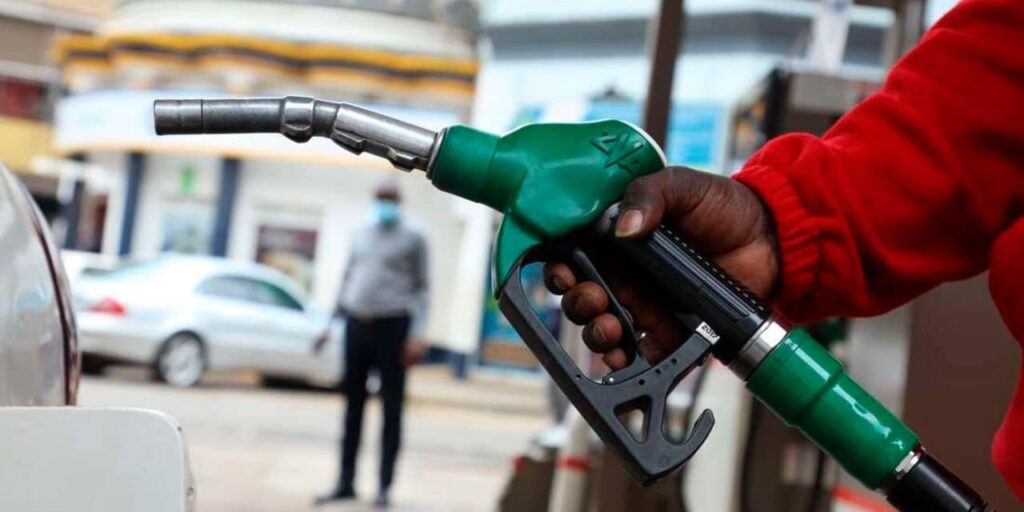
Fuel retailers have sounded the alarm over a possible nationwide shortage, warning they may halt sales unless the Energy and Petroleum Regulatory Authority revises current pump prices.
The United Energy and Petroleum Association says the latest pricing review issued on March 23 failed to account for mounting supply challenges, largely driven by the ongoing crisis in the Middle East.
Dealers are pushing for a price adjustment to reflect true market costs, arguing that operating under the current rates is no longer financially viable. According to chairperson Irene Kimathi, suppliers could be forced to suspend fuel sales if urgent changes are not made.
UNEPA is also calling for a temporary suspension of price controls to allow market-driven pricing. It notes that many dealers have been operating at a loss in recent weeks, steadily depleting their working capital.
Across the country, fuel shortages are reportedly worsening, with independent dealers struggling to secure stock. The association is urging the government to reassess fuel infrastructure and bolster strategic reserves to cushion against future disruptions.
Also Read: Gov’t Unveils Three-Tier Sovereign Wealth Fund to Safeguard Resource Revenues
Although shipments are expected to continue arriving, projected volumes remain below normal levels, placing further strain on the regulated pricing framework. Oil marketing companies are also said to be reluctant to sell at current rates due to rising import costs linked to the Middle East crisis.
Earlier, the regulator announced that fuel prices for the March to April cycle would remain unchanged, with pump prices in Nairobi set at KSh178.28 for petrol, KSh166.54 for diesel, and KSh152.78 for kerosene.
Meanwhile, the average landed cost of imported petrol has edged up by about 1%, rising from $576.34 per cubic metre in January 2026 to $582.11 in February, adding further pressure to the sector.