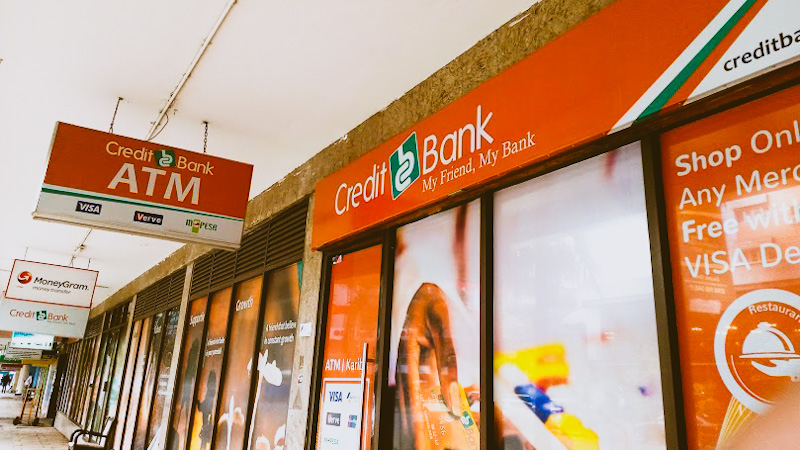
When the gavel dropped on 5 June 2024, the KSh 1.125 billion parcel in Mavoko landed in the hands of an unexpected buyer: Credit Bank itself, the very lender that had put the land on the block.
The plot, charged to secure a facility that has since swelled to KSh 817.8 million, had gone through several unsuccessful auction attempts before the bank finally moved ahead and bought it in June last year. Now the Court of Appeal has stepped in, flagging serious concerns over how the bank managed to acquire the high-value asset and halting any further transfer as it fast-tracks the appeal by the borrower, Erdemann Property Ltd.
A process that should have been a routine exercise of a lender’s statutory power of sale has spiralled into a test case with potential ripple effects across the financial sector. The dispute centres not only on whether Erdemann defaulted but whether the auction itself met the legal standards of transparency, fair value and proper procedure.
Erdemann had taken out newspaper adverts cautioning the public against bidding, accusing the bank of misconduct. Credit Bank insists those notices spooked potential bidders, forcing it to buy the land itself.
Also Read: Esteemed KICC Architect David Mutiso Dies At 93
The appellate judges pointed out striking information gaps: no clarity on whether any independent bidders showed up, no record of the highest bid and no detailed account of how the auction unfolded. The bank’s affidavit provided none of these answers, leading the court to suggest there was a genuine question over compliance with the Land Act provisions regulating self-purchases by chargees.
Valuation has emerged as a key flashpoint. The land was sold at the forced-sale value of KSh 1.125 billion, based on a December 2023 valuation commissioned by the bank. Erdemann claims the open-market value is closer to KSh 2 billion, accusing the lender of underpricing the asset by nearly KSh 900 million. Undervaluation disputes are hardly rare, but what heightens the stakes here is Credit Bank acting as both vendor and buyer.
If the auction is eventually found to have been improper, the law points to damages as the remedy. Credit Bank leans on this defence, saying any missteps can be addressed financially. Erdemann counters that the bank’s own books betray this confidence: with a net profit of just KSh 32.4 million in 2023, shouldering a KSh 2 billion liability would be perilous.
For now, the court has issued a freeze order, barring any sale or transfer of the land until the matter is fully heard and settled, leaving the case poised to become a benchmark for how far lenders can go when enforcing securities.