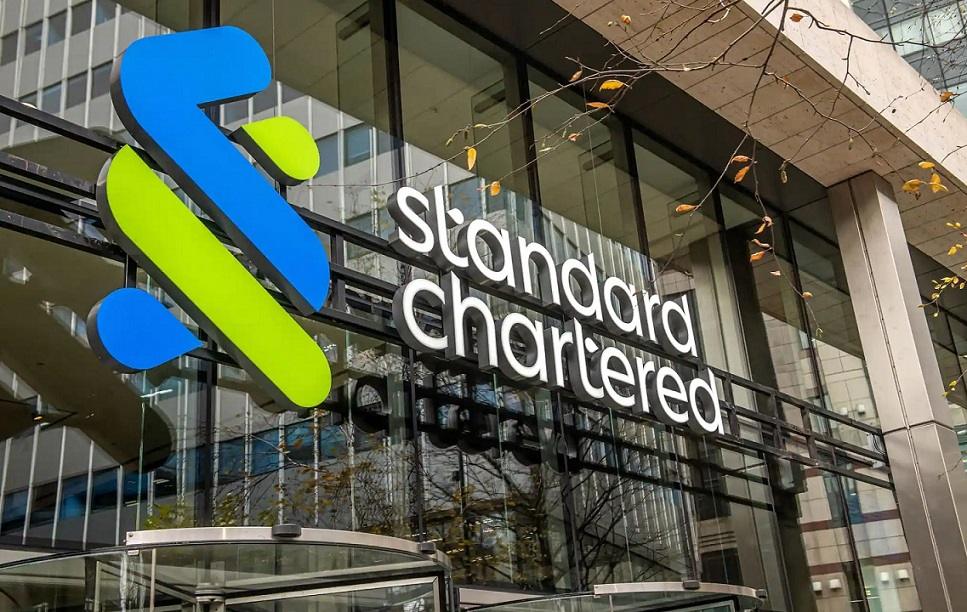
Standard Chartered Kenya PLC has moved to reassure stakeholders that plans to sell its Nairobi headquarters are not an indication of a withdrawal from the Kenyan market. Instead, the lender says the move reflects a broader strategy aimed at improving capital efficiency and adapting to a rapidly evolving digital banking landscape.
Shift Towards Leaner Operations
The clarification comes as Standard Chartered continues implementing a global restructuring programme that has seen the banking group scale back or exit operations in several markets since 2022. The initiative is part of a wider effort to concentrate resources on markets and business segments offering stronger growth and profitability prospects.
Like many international financial institutions, the bank has increasingly invested in artificial intelligence, automation and digital technologies to improve operational efficiency. These developments have sparked wider discussions about the future of employment within the banking sector.
According to Head of Human Resources Evans Munyori, the sale of the Nairobi head office should be viewed as part of the bank’s strategy to optimise capital rather than a sign of retreat.
“As we evaluate our business model and long-term returns, we must be deliberate about where we allocate capital. Kenya remains an attractive market for investment,” Munyori said.
He emphasised that despite changes in the group’s global footprint, Kenya continues to play an important role within Standard Chartered’s international network.
“We are not leaving Kenya. The decision regarding the head office property is part of our broader effort to operate more efficiently and with a lighter asset base. Similar measures have involved other properties within the market,” he added.
Focus Shifts from Jobs to Skills
Munyori noted that the more significant transformation within banking is not centred on physical assets but on workforce capabilities.
Recent reports suggesting Standard Chartered could cut thousands of jobs globally have heightened concerns about technology-driven displacement. However, Munyori argued that the discussion should focus on developing relevant skills rather than preserving specific job titles.
“The need for change has never been more evident,” he said. “From geopolitical shifts to evolving customer expectations, organisations must rethink how work is performed and evaluated.”
He explained that advances in automation have reduced reliance on repetitive administrative tasks, compelling employers to reassess the competencies required in a modern workforce.
“We have had to identify the skills our employees need to continue delivering value. The conversation extends beyond roles and centres on preparing people for the future of work,” Munyori noted.
Also Read: World Bank Set to Decide on KSh 97.1 Billion Kenya Loan on June 26
He encouraged professionals to prioritise transferable skills and continuous learning, arguing that adaptability will be increasingly important in a fast-changing employment environment.
Kenya Emerges as Talent Hub
Despite technological disruption, Munyori highlighted Kenya’s growing importance as a source of talent for Standard Chartered’s global operations.
Currently, 54 Kenyan employees are serving in various international markets across the bank’s global network, making Kenya the group’s second-largest exporter of talent in Africa after Nigeria.
“This international mobility gives us a competitive advantage as we navigate increasingly complex products and diverse markets,” he said.
The overseas assignments span multiple regions and business functions, underscoring the global demand for Kenyan expertise. Meanwhile, Standard Chartered Kenya employs 22 expatriates, resulting in a net export of talent from the country.
The trend reflects Kenya’s rising stature as a regional hub for skilled financial professionals, even as banks continue to reshape their operations through digital transformation and automation.