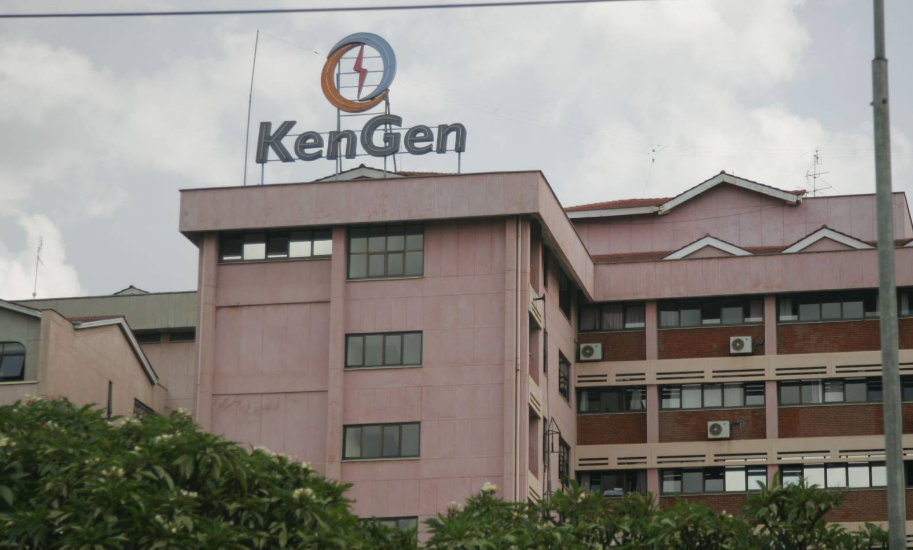
Kenya has intensified efforts to develop its first nuclear power plant, with officials from the state-owned power producer KenGen undertaking a week-long study tour of Canada’s nuclear sector as the country pursues plans to generate up to 6,000MW of nuclear energy in the coming decades.
The visit to Ontario was designed to strengthen Kenya’s technical, regulatory, and operational capacity as it progresses through the International Atomic Energy Agency (IAEA) framework for nuclear power development.
KenGen, which has been designated as the owner and operator of Kenya’s first nuclear facility in collaboration with the Nuclear Power and Energy Agency (NuPEA), is targeting an initial 2,000MW nuclear power project. The company ultimately aims to expand nuclear generation capacity to approximately 6,000MW to enhance energy security and support industrialisation.
“Kenya’s nuclear journey is as much about building institutions as it is about constructing infrastructure,” said KenGen Managing Director and CEO Peter Njenga. “The mission provided valuable insights that will help translate the country’s ambitions into institutional preparedness.”
During the tour, the Kenyan delegation explored Ontario’s extensive nuclear ecosystem, which includes 16 CANDU (Canada Deuterium Uranium) reactors. They also visited Bruce Power, the world’s largest operational nuclear power station, with a generation capacity of 6,400MW.
The officials examined Canada’s experience in reactor technology, safety management, radioactive waste disposal, workforce training, and regulatory oversight.
Beyond power generation, the delegation gained exposure to the broader systems that support a nuclear programme, including fuel-cycle management, supply chain development, research collaborations, and financing mechanisms for the long-term storage of spent nuclear fuel.
They also studied how Canada develops skilled personnel through partnerships between universities, training institutions, and the nuclear industry.
According to Sophie Price, Head of Cooperation at the High Commission of Canada to Kenya, successful nuclear programmes depend on much more than technology alone.
“Developing a nuclear sector requires strong institutions, skilled personnel, and long-term capacity. Beyond engineers, the industry relies on professionals across safety, regulation, operations, and community engagement, which is why collaborations such as this are important,” she said.
KenGen noted that lessons from the Canadian experience will help establish the institutional and operational foundations required before reactor construction can begin. The utility is working to ensure its preparations meet international standards on safety, environmental protection, and regulatory compliance.
Also Read: Kenyans Embrace “Kadogo” Shopping as Rising Living Costs alter Spending Habits
Canada has deployed 30 CANDU reactors worldwide. The technology uses natural uranium as fuel, reducing reliance on uranium enrichment services while offering greater flexibility in fuel procurement.
For Kenya, where electricity generation is largely driven by geothermal and hydropower sources, nuclear energy is being considered as a reliable source of baseload power capable of supporting growing demand from industries, data centres, and other energy-intensive sectors.
The country’s nuclear programme has since shifted focus to Siaya County after plans to establish the first reactor in Kilifi were shelved following sustained opposition from residents, environmental groups, and political leaders along the coast.
Authorities have identified locations around Lake Victoria as more suitable due to abundant water resources and favourable geological characteristics required for nuclear power generation.
However, the proposed relocation has triggered fresh resistance. Residents in Bondo and Sakwa, alongside environmental activists, have voiced concerns over potential radiation hazards, radioactive waste management, risks to fishing and agriculture, and what they describe as inadequate public consultation on the project.