Trade among African countries expanded by 5.5 per cent in 2025 to reach $213.8 billion (Sh27.6 trillion), underscoring the continent’s growing resilience despite persistent geopolitical tensions and a fragile global economic environment.
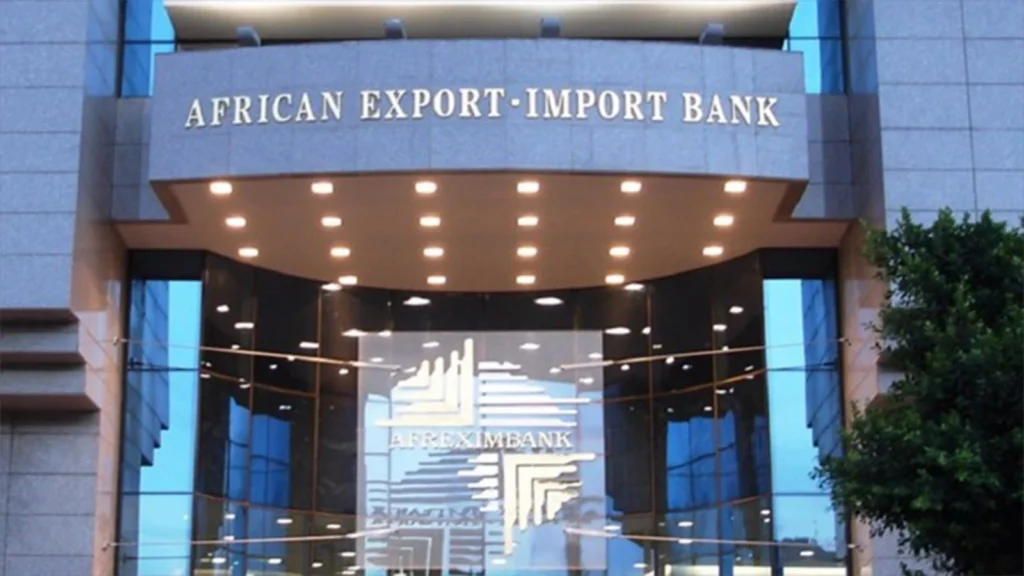
According to the African Trade Report 2026 released by the African Export-Import Bank (Afreximbank), African economies are becoming increasingly interconnected as governments pursue stronger macroeconomic policies, deepen regional cooperation and encourage cross-border investment.
The report shows Africa’s real Gross Domestic Product (GDP) growth accelerated to 4.5 per cent in 2025 from 3.4 per cent in 2024, making the continent one of the world’s fastest-growing regions and outperforming overall global economic growth.
It attributes the stronger performance to domestic economic reforms and closer regional integration, which enabled African economies to withstand a challenging international trading environment characterised by geopolitical conflicts, supply chain disruptions and rising protectionist measures.
According to the report, the global economy is undergoing significant structural shifts driven by geopolitical competition, economic fragmentation and the reconfiguration of global supply chains. These changes have increased the cost of international trade while creating greater uncertainty for exporters and investors.
However, Africa is emerging as a beneficiary of the ongoing diversification of global manufacturing, with companies seeking alternative production bases outside traditional industrial hubs.
Afreximbank says this presents an opportunity for the continent to position itself as an attractive destination for manufacturing, industrial production, digital innovation and green industries.
Technology is also playing an increasingly important role in transforming African trade. The report highlights advances in artificial intelligence as a key enabler of more efficient customs administration, trade logistics and global value chain management, helping reduce transaction costs and facilitate cross-border commerce.
Despite the encouraging progress, the bank cautions that structural constraints continue to hinder Africa’s industrial development.
Limited access to trade finance, inadequate transport infrastructure and low levels of value addition remain among the continent’s biggest challenges. Many African economies still rely heavily on exporting raw materials rather than processed products, limiting export earnings, job creation and industrial expansion.
Afreximbank argues that Africa should take advantage of the ongoing restructuring of global supply chains by attracting greater investment into manufacturing and value-added industries instead of remaining primarily a supplier of primary commodities.
The report identifies the full implementation of the African Continental Free Trade Area (AfCFTA) as a critical priority for boosting regional trade and accelerating industrialisation.
It urges member states to speed up implementation of tariff schedules, harmonise rules of origin and strengthen national coordination mechanisms to unlock the agreement’s full potential.
The bank also calls for increased capitalisation of regional development finance institutions and advocates reforms to global financial regulations that currently restrict affordable financing for African economies.
Also Read: Food and Transport Costs Keep Cost of Living Elevated Despite Lower Inflation
Another key recommendation is the wider rollout of the Pan-African Payment and Settlement System (PAPSS) to reduce dependence on foreign currencies in cross-border transactions.
According to the report, broader adoption of PAPSS would lower transaction costs, ease foreign exchange constraints and improve the efficiency of trade within Africa.
Afreximbank further urges African governments to continue pushing for reforms to the global financial system, including improvements to international debt restructuring frameworks and global financial governance, to create a fairer environment for developing economies.
Looking ahead, the report says geopolitical tensions are expected to continue reshaping global trade and investment patterns. Rather than viewing these changes as a setback, Africa should use the opportunity to strengthen regional value chains, expand industrial capacity and deepen economic integration.
Sustained investment in transport infrastructure, trade finance, manufacturing and digital payment systems will be essential to building resilient supply chains capable of supporting long-term industrial growth.
Ultimately, the bank says Africa’s future competitiveness will depend on responsive policies, strategic trade positioning and stronger foreign direct investment that expands productive capacity. While the opportunity is significant, the report stresses that governments must act swiftly to accelerate industrialisation, promote value-added exports and establish Africa as a globally competitive manufacturing and trading hub.

