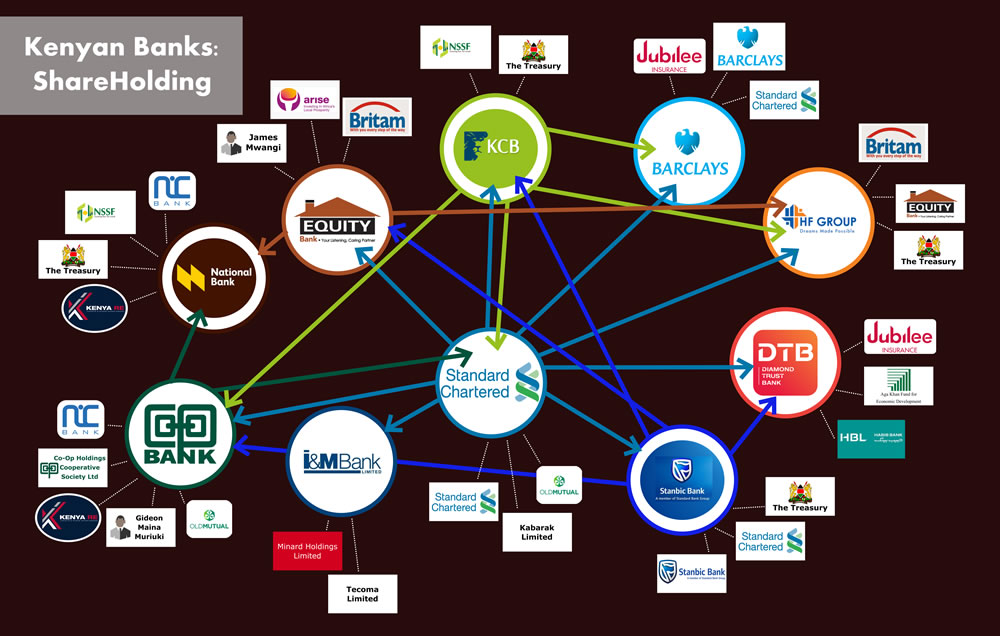
Commercial banks have significantly reduced their lending to State corporations, cutting exposure by Sh59.7 billion over the past two years as sweeping legal reforms and tighter government borrowing controls reshape the public sector. According to Central Bank of Kenya data, net domestic credit to parastastals fell from Sh87.7 billion in March 2024 to Sh28 billion in March 2026, marking a 68.1 per cent decline. Lending also dropped sharply over the past year, falling from Sh55.7 billion in March 2025.
The reduction comes as the Government Owned Enterprises (GOE) Act, 2025, takes effect, requiring many State corporations to transition into public limited liability companies under the Companies Act. The reforms are intended to commercialise public enterprises, improve governance and attract private investment. They complement other legislation, including the Privatisation Act, 2025, the National Infrastructure Fund Act, 2026, and the Sovereign Wealth Fund Act.
Legal experts say the changes are prompting banks to reassess the financial strength of individual State-owned enterprises instead of relying on the assumption that government ownership guarantees repayment. Bowmans law firm has advised lenders to evaluate each entity based on its balance sheet, profitability and cash flow, warning that the GOE Act does not clearly address the future of existing government guarantees, letters of support or comfort letters.
Also Read: Court Of Appeal Upholds Death Sentence In Robbery With Violence Case
The firm notes that guarantees previously issued to statutory corporations may not automatically transfer to the new corporate entities, creating uncertainty over loan security, risk assessment and future lending. It also cautions that restructuring could require lenders to renegotiate financing agreements and that mandatory audits may expose hidden liabilities or legal disputes that weaken the financial standing of affected enterprises.
The absence of a clear timeline for completing the transition has further heightened uncertainty for lenders and investors. Bowmans recommends that banks review their loan portfolios, security arrangements and guarantee structures while seeking written clarification from the National Treasury where government backing was a key consideration.
At the same time, the Treasury has tightened oversight of borrowing by State corporations. Treasury Cabinet Secretary John Mbadi has directed public entities to seek approval from both the National Treasury and their parent ministries before obtaining loans, overdrafts or other credit facilities. The Treasury has also stopped approving new borrowing or issuing guarantees for State corporations with outstanding loan defaults or unpaid bills, further restricting access to commercial financing for financially troubled entities.