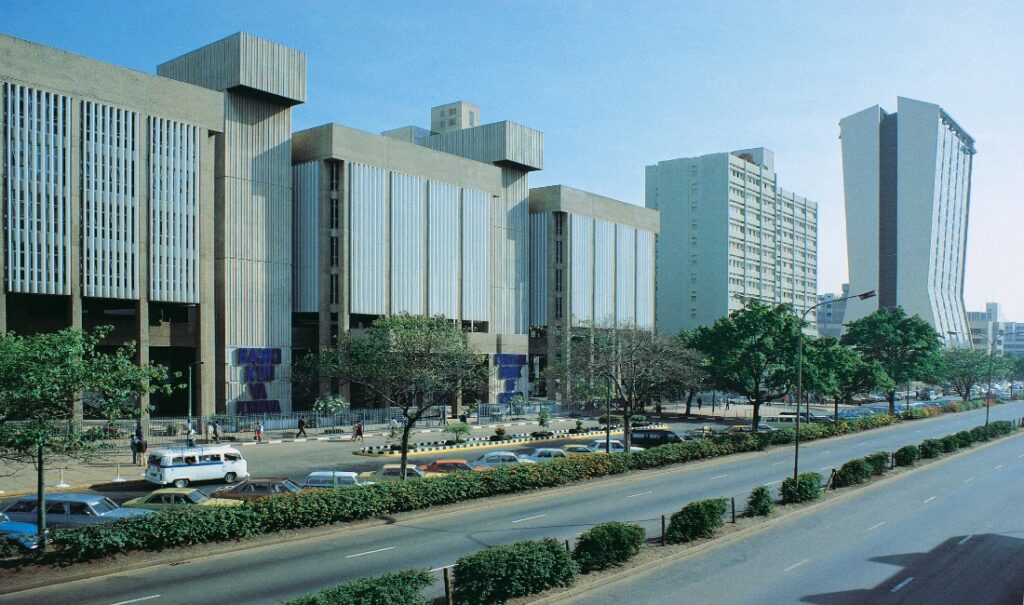
The Central Bank of Kenya (CBK) has lowered its benchmark interest rate for the ninth meeting in a row, extending the longest monetary easing streak in the institution’s history as policymakers seek to bolster economic activity against a backdrop of subdued inflation and solid external buffers.
The Monetary Policy Committee reduced the CBK Rate by 25 basis points to 9.00%, from 9.25%, continuing a steady run of cuts designed to revive private sector lending while price pressures remain well contained. Even so, the committee cautioned that global trade uncertainty, geopolitical tensions and weather-related risks to agriculture still pose external threats.
Inflation remained firmly anchored, with headline inflation easing to 4.5% in November, below the midpoint of the official 5.0% ±2.5 percentage point target range. Core inflation declined to 2.3%, largely reflecting lower prices for processed food items such as maize flour and sugar. Non-core inflation rose to 10.1%, driven by higher vegetable prices, though policymakers expect overall inflation to hover near the target midpoint in the near term.
The MPC also pointed to continued stability in the Kenyan shilling, which has traded below 130 to the US dollar for several weeks, as providing room for further policy support. Foreign exchange reserves rose to USD 12.092 billion in December, enough to cover 5.25 months of imports and marking the strongest reserve position in recent months. The current account deficit widened slightly to 2.2% of GDP over the year to October but remains manageable, with projections of around 2.3% in 2025 and 2026.
Also Read: Tragedy As Man Drowns While Bathing On River Migori In Nyatike
Economic growth showed signs of strengthening. Real GDP expanded by 4.9% in the first half of 2025, prompting the CBK to revise its full-year growth forecast upward to 5.2%, with growth expected to accelerate to 5.5% in 2026. The outlook is supported by resilience in agriculture and services and a rebound in industrial activity.
Credit conditions also improved. Private sector lending grew by 6.3% year on year in November, up from 5.9% in October, signalling a recovery from earlier contraction. Average commercial bank lending rates fell to 14.9%, compared with 17.2% a year ago, while the ratio of non-performing loans edged down to 16.5%.
The committee also highlighted preparations for the rollout of a revised Risk-Based Credit Pricing Model, due to take full effect by March 2026. The new framework is expected to strengthen the pass-through of policy rate changes to bank lending rates and improve transparency in loan pricing, ensuring future cuts in the benchmark rate more clearly reduce borrowing costs for households and businesses.