Kenya’s Controller of Budget has cautioned against adopting International Monetary Fund (IMF) programmes in their entirety, warning that poorly sequenced reforms could push fiscal consolidation into harmful austerity and undermine social spending and accountability.
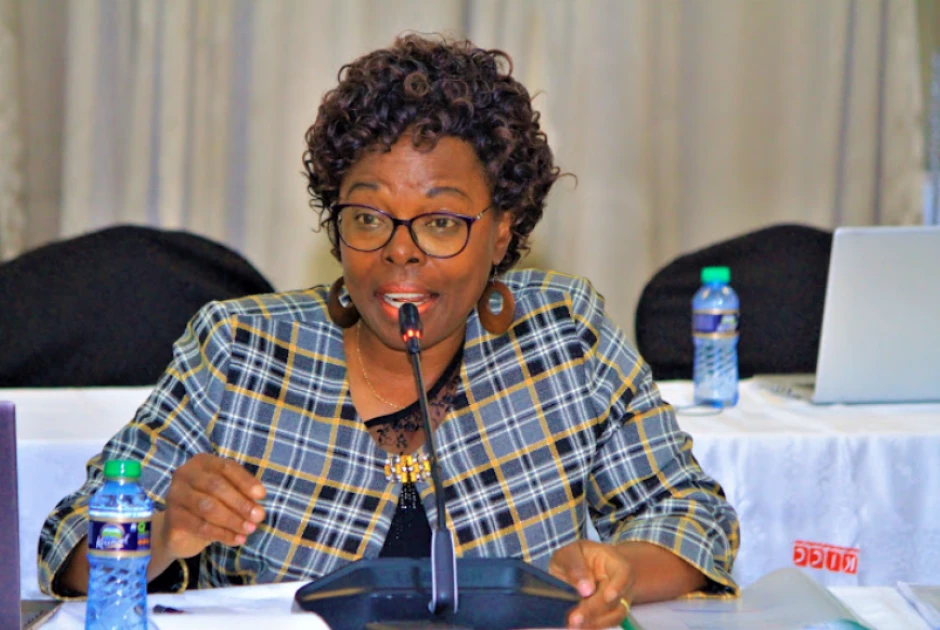
Speaking at the launch of the Kenya Macro Fiscal Analytics Snapshot 2025–2026, Dr Margaret Nyakango said renewed engagement with the IMF, alongside plans to operationalise the National Infrastructure Fund, must be handled carefully to avoid disrupting service delivery and weakening budget oversight.
Kenya is pursuing a fresh IMF-backed programme as it seeks to stabilise public finances strained by heavy debt-servicing costs, sluggish revenue growth and rising social pressures. While such programmes are intended to restore confidence and anchor reforms, Nyakango warned that IMF conditions often involve trade-offs that fall hardest on ordinary households.
She stressed that while macroeconomic stability is important, it does not automatically translate into better living standards. Fiscal consolidation, she said, must be fair, properly sequenced and centred on people, rather than driven purely by numerical targets.
The macro-fiscal snapshot cautions that if current trends continue, Kenya risks widening inequality, rolling back human development gains and increasing household vulnerability, particularly through high out-of-pocket health costs and weak social safety nets. Persistent fiscal strain and frequent tax changes, the report adds, are also eroding public trust and fuelling social tension.
Nyakango noted that for many Kenyans, periods of macro stability have coincided with a higher cost of living, falling real wages, insecure informal employment and declining access to quality public services. Poverty levels remain high and are falling only slowly, raising questions about whether public resources are improving people’s day-to-day lives.
According to the Institute of Public Finance, Kenya’s economy remains relatively resilient, with medium-term growth projected at around 5%, supported by agriculture, easing inflation and improved stability. However, the report argues that this stability has not translated into broadly shared prosperity.
Also Read: Gov’t to Reopen IMF Talks as Ruto Administration Seeks New Loan Programme
Nyakango warned that aggressive, front-loaded fiscal tightening could suppress household welfare and slow growth by squeezing social and development spending, while protecting rigid expenditures such as wages and debt interest.
Rising interest payments and public-sector wage bills now dominate government spending, leaving limited room for sectors such as health, education, water and social protection. In healthcare, per capita spending continues to decline despite growing demand and reduced donor support. In education, constrained non-wage funding is affecting quality and equity, while uneven water and sanitation spending is deepening regional disparities.
She added that social protection programmes often face delayed disbursements, reducing their effectiveness in supporting vulnerable households, while women- and youth-focused initiatives are frequently among the first to be cut during fiscal tightening.
Nyakango also highlighted ongoing weaknesses in budget credibility, including repeated revenue overestimation, frequent supplementary budgets and large gaps between approved budgets and actual spending. Such shortcomings, she said, disrupt planning, weaken service delivery and shift the burden of adjustment onto citizens least able to cope.
Drawing on past experience, she warned that excessive reliance on the IMF can dilute domestic ownership of reforms, making them difficult to sustain once programmes end. Kenya, she said, must engage the Fund critically rather than accept its prescriptions wholesale.
She further raised concerns about the National Infrastructure Fund, established under the Government-Owned Enterprises Act, cautioning that it could sidestep parliamentary scrutiny and the oversight role of her office. Nyakango said close monitoring would be needed to ensure privatisation proceeds are properly accounted for and directed towards clearly defined, viable projects.
She concluded by warning that new off-budget financing mechanisms risk weakening transparency and accountability if not carefully designed, particularly at a time of heightened fiscal pressure.