The National Assembly has secured a major legal victory after the Court of Appeal upheld the existing framework governing the management and distribution of the Road Maintenance Levy Fund (RMLF).
Parliament welcomed the ruling on Saturday, November 14, following the determination of two consolidated appeals filed by the National Assembly and the Kenya Roads Board (KRB).
The appeals challenged a High Court judgement delivered on June 5, 2025, which had ruled that county governments must be included as beneficiaries whenever allocations were made from the fund.
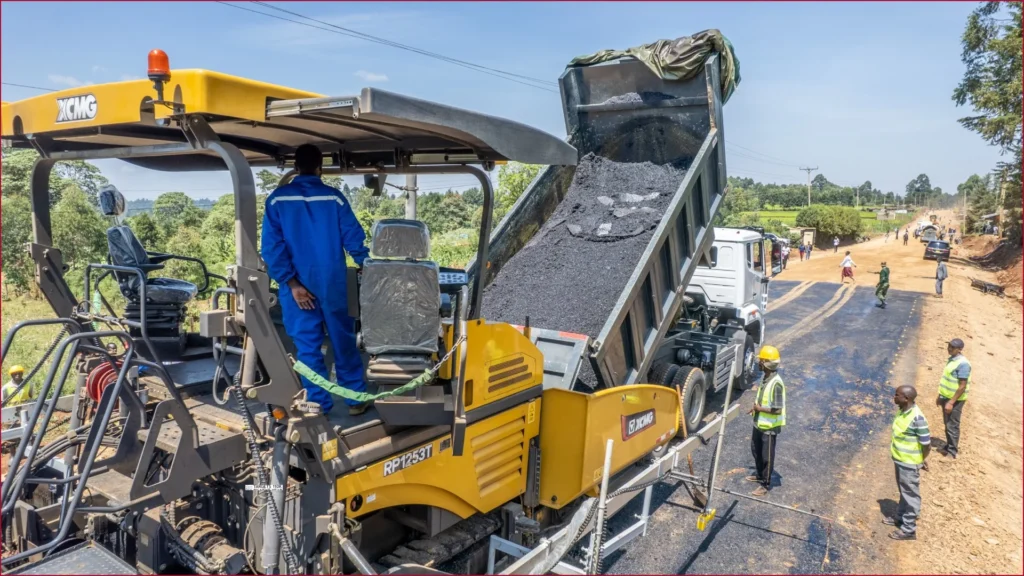
The Road Maintenance Levy Fund is financed through a fuel levy and provides resources for the construction, rehabilitation and maintenance of roads across the country.
A three-judge bench comprising Justices Agnes Murgor, Abida Aroni and Joel Ngugi ruled that Parliament has the constitutional mandate to establish the legal and administrative framework governing the management and allocation of the fund.
The dispute centred on the constitutionality of laws governing road classification and the distribution of the levy, as well as whether county governments were entitled to receive direct allocations to undertake their road maintenance responsibilities.
In overturning part of the High Court’s decision, the appellate judges ruled that the declaration requiring county governments to be listed as direct beneficiaries of the fund was no longer valid.
“The High Court’s declaration that any appropriation from the Road Maintenance Levy Fund which does not provide for county governments as beneficiaries is unconstitutional, unenforceable, illegal, null and void is hereby set aside,” the judges ruled.
The Court of Appeal also upheld Section 47 of the Kenya Roads Act, 2007, together with its First Schedule, which establishes how roads are classified between the national and county governments.
Additionally, the judges affirmed the constitutionality of Section 6 of the Kenya Roads Board Act, which provides the formula for distributing the fund among the Kenya National Highways Authority (KeNHA), Kenya Urban Roads Authority (KURA), Kenya Rural Roads Authority (KeRRA), Kenya Wildlife Service (KWS) and the Kenya Roads Board.
The ruling means the three road agencies, KeNHA, KURA and KeRRA, will continue managing and maintaining roads under their respective mandates without changes to the existing arrangement.
Also Read: Kalonzo Rules Out Joining Ruto’s Camp if He Misses Opposition Presidential Ticket
Consequently, road maintenance and development projects will continue receiving funding through the institutions designated under the current legal framework.
The court maintained that resources from the levy should be channelled through the established national system and administered by agencies identified in the relevant legislation.
During the proceedings, the National Assembly argued that the fund was established through a specific legislative framework that assigns responsibilities to designated institutions and provides a formula for financing the maintenance of classified public roads.
Parliament further maintained that the existing road classification system and allocation formula should remain in force unless amended through the appropriate constitutional and legislative procedures.

