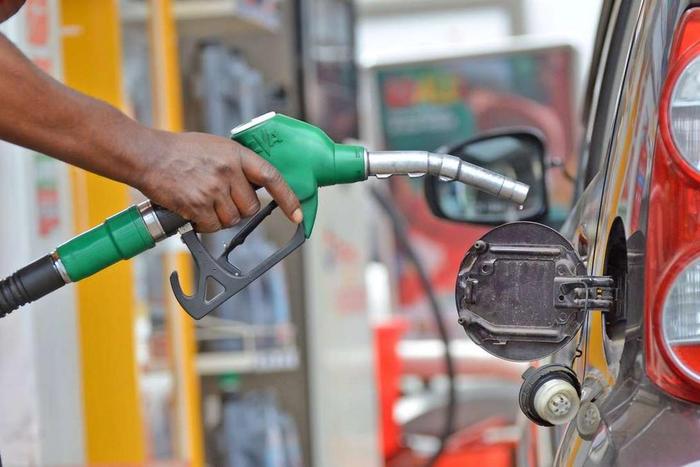
Kenyan motorists will continue paying the same prices at the pump despite a sharp decline in global oil prices, as the government prioritises rebuilding its fuel stabilisation fund. The Energy and Petroleum Regulatory Authority (EPRA) retained fuel prices for the period ending August 14, with super petrol remaining at Sh214.03 per litre in Nairobi, diesel at Sh222.86, and kerosene at Sh191.38.
The decision comes even as international refined fuel prices and Kenya’s import costs fell significantly over the past month. The government also extended the reduced eight per cent Value Added Tax (VAT) on petroleum products for another three months after cutting it from 16 per cent in April to cushion consumers from price spikes linked to the Middle East conflict.
According to EPRA, international prices for refined petroleum products dropped markedly in June. Super petrol declined to $948.65 per metric tonne from $1,127 in May, diesel to $889.55 from $1,108.58, and kerosene to $951.48 from $1,164.11. Kenya’s landed import costs also fell, particularly for diesel and kerosene.
Despite the lower import bill, consumers have not benefited from reduced pump prices as the government works to replenish the Petroleum Development Levy (PDL) fund, which was heavily depleted after subsidising fuel during the recent Middle East crisis. As of June, outstanding fuel subsidy arrears owed to oil marketing companies stood at more than Sh20 billion.
Energy Cabinet Secretary Opiyo Wandayi said the government will inject Sh945 million from the PDL during the July-August pricing cycle to maintain current pump prices while gradually restoring the stabilisation fund.
Officials at the Energy Ministry said the fund continues to operate at a deficit, particularly for petrol and kerosene, explaining why falling global prices have not translated into cheaper fuel locally.
Also Read: Kenya’s Forex Reserves Poised to Hit Record Sh2.1 Trillion as CBK Bolsters Shilling Stability
The PDL is financed through a levy of about Sh5.40 on every litre of petrol and diesel sold, supplemented by Treasury allocations and tax relief measures, generating between Sh25 billion and Sh30 billion annually.
Earlier this year, the government injected Sh17 billion into the stabilisation programme as oil prices surged following geopolitical tensions. By the end of May, spending on fuel subsidies and tax relief had exceeded Sh28 billion, with the June-July pricing cycle alone requiring a record Sh10 billion subsidy. The latest cycle adds another Sh945 million to the bill.
Industry stakeholders say governments often maintain high local fuel prices despite lower global oil prices because of delays in shipping and refining, fixed tax structures, the need to recover previous subsidy costs and efforts to rebuild stabilisation reserves.
Petroleum Institute of East Africa chairman Solomon Osundwa noted that significant subsidy payments and advance fuel sales remain outstanding, while oil marketers are also seeking refunds from the Treasury and the Kenya Revenue Authority for taxes on fuel supplied to exempt organisations such as the United Nations and the armed forces.
The PDL fund has also faced sustained pressure due to the diversion of resources to other government obligations, including the Standard Gauge Railway and settlement of arrears owed to oil marketers.
However, industry players expect motorists to begin benefiting from lower prices in the August-September pricing cycle as global crude prices continue to ease and freight costs decline. Petroleum Outlets Association of Kenya chairman Martin Chomba said the government is likely to have rebuilt sufficient reserves by then, creating room for meaningful reductions in pump prices.