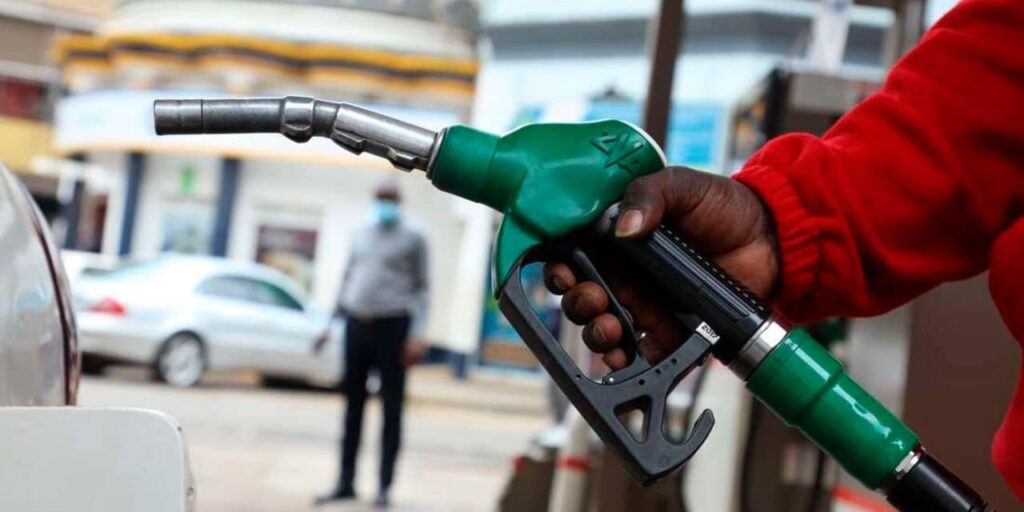
Juma Mukhwana has sought to calm nerves over a looming fuel shortage, insisting Kenya’s supply remains steady for now despite mounting global disruptions.
Speaking on NTV on March 24, the Industry Principal Secretary said the country continues to receive sufficient fuel imports, with vessels actively offloading at the Port of Mombasa.
Even so, he admitted the wider economy is already feeling the pinch. Export losses are currently estimated at between KSh800 million and KSh1 billion each week, driven by instability in key international markets.
Mukhwana pointed to the Middle East as a vital logistics corridor for Kenyan exports, highlighting the role of countries such as the United Arab Emirates, which act both as buyers and redistribution hubs for goods like coffee.
Rising risks, including higher shipping insurance costs, are complicating trade flows and making it more expensive for businesses to access global markets.
At the same time, the disruption is forcing a rethink. Policymakers and industry players are increasingly exploring alternative trade routes within Africa and beyond, aiming to reduce reliance on traditional transit hubs.
The situation has also exposed weaknesses in global supply chains, particularly Kenya’s dependence on the Middle East as an intermediary for exports destined for other regions.
Despite the immediate strain, Mukhwana suggested the crisis could push Kenya and the wider continent towards more resilient and self-reliant trade systems.
Globally, the strain is evident, with more than 3,200 vessels reportedly stuck at the Strait of Hormuz, accounting for roughly a fifth of global oil and cargo traffic.
Meanwhile, Lee Kinyanjui has confirmed that the government is actively seeking new markets for affected exports, including destinations across Africa, Asia, and the United States, with diplomats and trade officials tasked with redirecting shipments and securing alternative buyers.