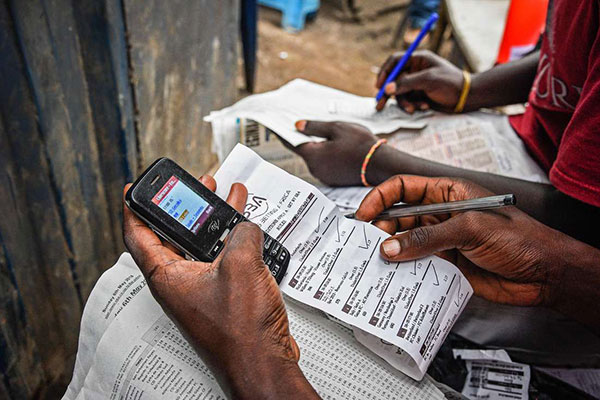
Kenya has been ranked as Africa’s most active sports betting market, with nearly two-thirds of respondents reporting that they placed a football bet within the past year, according to new findings by GeoPoll.
The survey reveals that 64 per cent of Kenyan respondents engaged in football betting over the last 12 months, placing the country ahead of other major African markets. Ghana followed at 60 per cent, while South Africa recorded 58 per cent. Egypt registered the lowest participation rate among the surveyed countries at 25 per cent.
Overall, 52 per cent of respondents across the surveyed markets said they had wagered on football matches during the period under review, highlighting the growing popularity of sports betting across the continent.
The trend is particularly pronounced during major football tournaments, when betting activity tends to rise in tandem with fan engagement. Analysts attribute the growth largely to increased access to mobile technology and widespread internet connectivity.
The heightened enthusiasm comes ahead of the 2026 FIFA World Cup, which began on June 11 and is being hosted jointly by the United States, Canada and Mexico. The tournament marks a significant expansion, featuring 48 teams and 104 matches played over 39 days, up from 64 matches in the previous edition. Nations including Cabo Verde, Curaçao, Jordan and Uzbekistan are making their first-ever appearances at the global showpiece.
Also Read: South Korean Firms Compete for Sh11 Billion Nairobi Smart Traffic System Contract
Beyond betting activity, the survey suggests that Kenyan football fans are among the continent’s most devoted followers of the game. About 67 per cent of respondents in Kenya said they watch at least three football matches every week, the highest proportion of heavy viewers among all markets surveyed.
Interest in the World Cup has also increased significantly. GeoPoll data shows that the proportion of Kenyans planning to follow the tournament rose from 86 per cent in 2022 to 94 per cent in 2026.
The steady consumption of European domestic leagues, UEFA Champions League matches and international competitions appears to have reinforced betting as a routine part of the football viewing experience.
The study further found that betting activity often continues during match intervals. Around 27 per cent of Kenyan respondents said they either place new bets or review existing wagers during halftime, a figure that exceeds that of many neighbouring markets. This behaviour is accompanied by extensive mobile engagement, including checking scores, participating in social media discussions and following live match updates.