Kenya did not achieve its target of having electric vehicles (EV) account for five percent of new vehicle registrations by 2025, although industry stakeholders say the sector is gaining momentum, largely due to commercial operators looking to cut fuel and maintenance costs.
According to the Electric Mobility Association of Kenya (EMAK), the country’s electric motorcycle fleet has grown to nearly 40,000 units and is projected to reach about 60,000 by the end of 2026, highlighting strong growth in the two-wheeler segment over the past three years.
EMAK Vice President Moses Nderitu said while the country has fallen short of its ambitions, progress remains encouraging, particularly in the electric motorcycle market.
The figures illustrate the gap between Kenya’s clean transport goals and actual market uptake, with adoption still heavily concentrated among commercial fleets rather than private vehicle owners.
Electric motorcycles, taxis, three-wheelers and delivery vehicles are driving the transition because businesses are able to offset the higher purchase price through lower fuel and maintenance expenses. As a result, most electric vehicles entering the Kenyan market are being deployed in passenger transport, ride-hailing and last-mile delivery services.
In contrast, electric passenger cars have recorded slower growth. Industry players argue that government incentives have primarily supported electric buses and motorcycles, while private electric cars have received little comparable assistance.
Nderitu said the absence of incentives for four-wheel electric vehicles has slowed adoption in the passenger car segment.
Industry leaders are urging the government to introduce targeted tax and fiscal incentives similar to those adopted in countries such as Rwanda, Ethiopia and Ghana to accelerate the uptake of electric passenger vehicles.
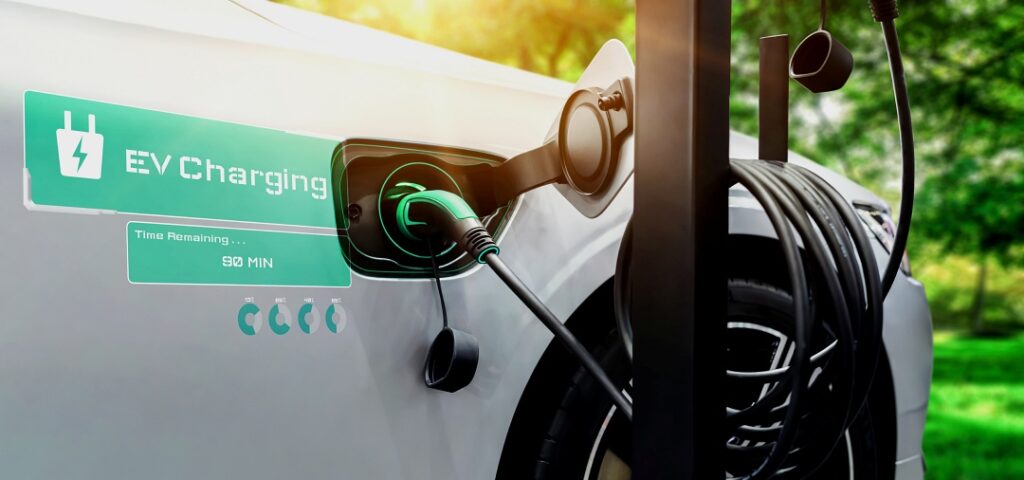
Charging infrastructure also remains a key challenge. Developers say concerns over the availability of charging stations, particularly for long-distance travel, continue to discourage potential buyers, making investment in charging networks essential.
Meanwhile, EV manufacturer Bingo has identified Kenya as its preferred African launch market, citing favourable policies, rising fuel prices and a fast-growing ride-hailing sector.
Also Read: Artcaffé Plans Nationwide Expansion, Targets 700 New Jobs in 2026
The company recently unveiled a new range of electric vehicles tailored for taxi operators and plans to roll out its first commercial units this year before expanding its fleet to 100 vehicles by December. It also intends to begin local vehicle assembly in partnership with Kenyan manufacturers.
Bingo co-founder and Chief Operating Officer Christian Bieschin said the company’s strategy targets commercial drivers, who stand to benefit the most from lower operating and maintenance costs compared with conventional petrol-powered vehicles.
Despite missing the government’s 2025 target, industry players believe Kenya’s electric mobility sector has reached a crucial stage of growth. They say expanding charging infrastructure, extending incentives to passenger cars and increasing public awareness will be key to driving wider consumer adoption beyond commercial fleets.