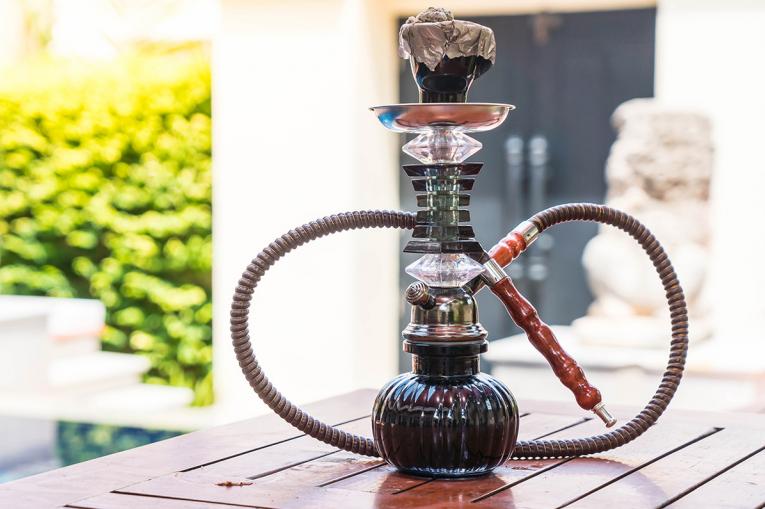
The Ministry of Health has unveiled proposed regulations aimed at strengthening Kenya’s crackdown on shisha by extending restrictions beyond consumption to cover the entire supply chain. The move signals one of the country’s most comprehensive efforts yet to curb waterpipe tobacco use amid growing concerns over its health effects.
The draft Public Health (Control of Waterpipe Tobacco Products) Rules, 2026 seek to prohibit the importation, manufacture, distribution, sale, marketing, advertising and use of shisha products. The proposals significantly broaden the scope of the 2017 ban, which primarily targeted consumption.
If adopted, the regulations would deal a major blow to the informal shisha market that has continued to operate despite the existing prohibition. The draft also introduces much tougher penalties, with fines increasing from the current Sh50,000 to as much as Sh1 million for offenders, representing one of the steepest penalty hikes in Kenya’s tobacco control framework.
Shisha, also known as hookah, waterpipe, narghile, qalyân or hubble-bubble, has gained popularity among young people and women across Africa, including Kenya. Available in a variety of flavours ranging from fruit and mint to creamy blends, the tobacco is often mixed with herbs, fruit extracts or molasses. The social nature of shisha smoking, where users frequently share a single pipe in group settings, has contributed to its widespread appeal.
Also Read: Sh10 Billion Fuel Subsidy Deepens Financial Strain on Oil Marketers
The proposed rules are part of a broader government effort to eliminate enforcement gaps that have allowed parts of the shisha trade to persist despite the ban remaining legally in force since 2017. Authorities initially outlawed shisha use due to increasing uptake among young people and concerns over the associated health risks.
However, enforcement has been uneven, with shisha products continuing to appear in entertainment venues and informal distribution networks despite periodic government crackdowns.
According to the Ministry of Health, the new regulations are intended to tackle the growing public health, social and environmental challenges linked to waterpipe tobacco use. The World Health Organization warns that shisha smoke contains harmful substances such as nicotine, carbon monoxide, heavy metals and carcinogenic chemicals. In addition, shisha sessions often last much longer than conventional cigarette smoking, potentially increasing exposure to toxic substances.
The proposed measures come amid a global trend of stricter regulation of alternative tobacco and nicotine products, including e-cigarettes, heated tobacco products and flavoured nicotine devices. In recent years, Kenya has strengthened its tobacco control efforts through higher excise duties, mandatory graphic health warnings, tighter advertising rules and restrictions on smoking in public spaces.
