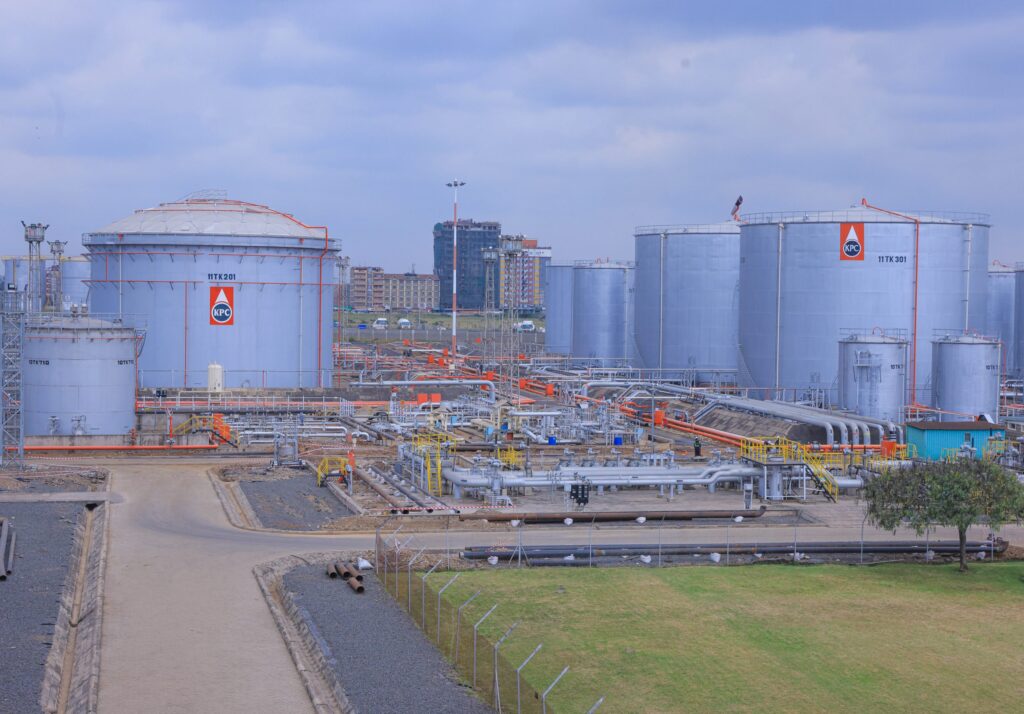
Kenya Pipeline Company’s initial public offering (IPO) closed slightly oversubscribed, although participation from several investor groups targeted in the share sale fell well short of expectations.
The final allocation indicates that Kenyan institutional investors, widely believed to include the National Social Security Fund, together with buyers from across East Africa, absorbed the bulk of the KSh106.3 billion offer.
The results reveal a heavily concentrated shareholder structure after a number of investor categories outlined in the prospectus failed to take up their expected portions. Retail investors, foreign investors, oil marketing firms and company employees ultimately secured only marginal allocations.
Uganda’s participation through the Uganda National Oil Company stood out as a key strategic anchor in the transaction. The investment also secured the country two seats on the Kenya Pipeline Company board.
The offer had originally aimed to distribute ownership across six investor groups, including retail investors, oil marketing companies and foreign buyers. In reality, institutional investors dominated the purchase of shares as several of the targeted categories remained largely inactive.
Retail participation was particularly subdued despite the government’s ambition of attracting up to two million Kenyan investors to the listing.
Kenyan institutional investors received the largest portion of the shares, taking up 7.45 billion shares, which represents roughly 63 percent of the total allocation. Investors from the East African region followed with 3.86 billion shares, accounting for nearly a third of the offer.
Retail investors submitted approximately 70,000 applications and were allocated 464.8 million shares. Oil marketing companies and Kenya Pipeline employees received minimal portions, while foreign investors secured only 3.87 million shares.
Overall, demand for the offer reached 12.49 billion shares against the 11.81 billion shares available, translating to a subscription rate of about 105.7 percent and raising KSh106.3 billion for the National Treasury.
An announcement of the final IPO results dated 4 March also confirmed a slight adjustment to the listing schedule. Earlier documents had indicated that trading would commence on the Nairobi Securities Exchange on 9 March 2026. However, the revised timetable places the market debut on 10 March 2026, with the change linked to coordination around President William Ruto’s availability for the listing ceremony.
Also Read: At Least Six Dead, Several Injured In Nairobi–Mombasa Highway Crash
Investors are expected to receive their shares in their CDS accounts on 6 March, while refunds for excess applications will be processed the same day.
Uganda emerged as the most prominent strategic investor within the regional allocation after the Uganda National Oil Company acquired close to a fifth of the pipeline operator. As part of the negotiations ahead of the IPO, Uganda secured two seats on the company’s board, granting it governance influence over infrastructure that handles the majority of its fuel imports.
The IPO had initially set aside a 15 percent allocation for oil marketing companies that rely on the pipeline network. The sector was also offered a board seat through a rotational arrangement among marketers. However, participation from the industry proved limited, with the final allocation representing only a small portion of the reserved tranche.
The listing represents one of the largest public share offerings in Kenya since the Safaricom IPO in 2008 and forms part of the government’s wider plan to open state-owned enterprises to public investment through the Nairobi Securities Exchange.