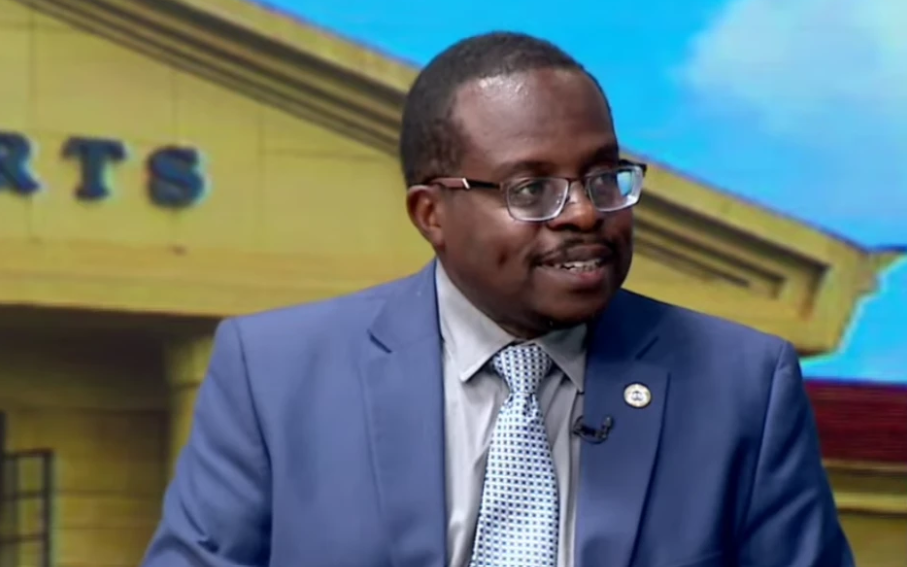
The Law Society of Kenya President Charles Kanjama described the High Court ruling on former Deputy President Rigathi Gachagua’s impeachment as a mixed bag.
He said each side walked away with something but none has emerged with a clean victory.
Speaking during an interview with Citizen TV on Monday, shortly after the three-judge bench delivered its verdict, Kanjama said the ruling amounted to a delicate balancing act by the court that left all parties with reason both to celebrate and to be aggrieved.
“Each side has something to take home. Everyone has got something, something that they may like and something that they don’t like,” he said.
Kanjama observed that Gachagua had been facing what he termed a political death sentence going into the ruling, given that an outright affirmation of the Senate’s impeachment decision could have ended his political career entirely.
The court’s finding that his right to a fair trial was violated, and the subsequent award of Sh50 million in damages, offered him a measure of constitutional vindication.
“The effect of that, together with the declaration, is that the taint of unethical conduct or conduct that is contrary to the Constitution against Rigathi Gachagua has been lifted,” Kanjama said.
He however, noted that Gachagua’s legal team remained deeply unhappy because the court stopped short of the logical consequence of such a finding.
Kanjama pointed to Article 25 of the Constitution, which lists four rights that cannot be limited and must be enjoyed absolutely, among them the right to a fair trial.
“There is that concern,” he said, explaining why lawyers associated with the former Deputy President were upset with the outcome despite the damages award.
Kanjama said the Senate had secured what it needed most, which was the confirmation that the impeachment process would not be reopened and that Deputy President Kithure Kindiki’s appointment had been properly conducted and constitutionally affirmed.
He flagged what he described as a potential inconsistency in the judgment.
The court had elaborately explained the constitutional requirement for the Senate to first proceed through a special committee before an impeachment matter comes to the full House, yet the Senate had not followed that route in Gachagua’s case.
Despite that reasoning, the bench stopped short of declaring the Senate’s procedure invalid on those grounds.
“At the end of that very elaborate explanation of why you need the Senate to proceed through committee, the court did not make the final conclusion, which is to say that that procedure was also invalid for that reason,” Kanjama said.
“They make a reference to a certain Supreme Court case and then retreat from the logical finding based on that reasoning.”
Kanjama said the ruling raised broader questions about whether the Constitution had been faithfully interpreted in all its aspects, and he did not rule out further legal action by any of the parties involved.
“I would not be surprised if all parties file appeals to the Court of Appeal,” he said.
Gachagua’s team said they would appeal the ruling.
READ ALSO;