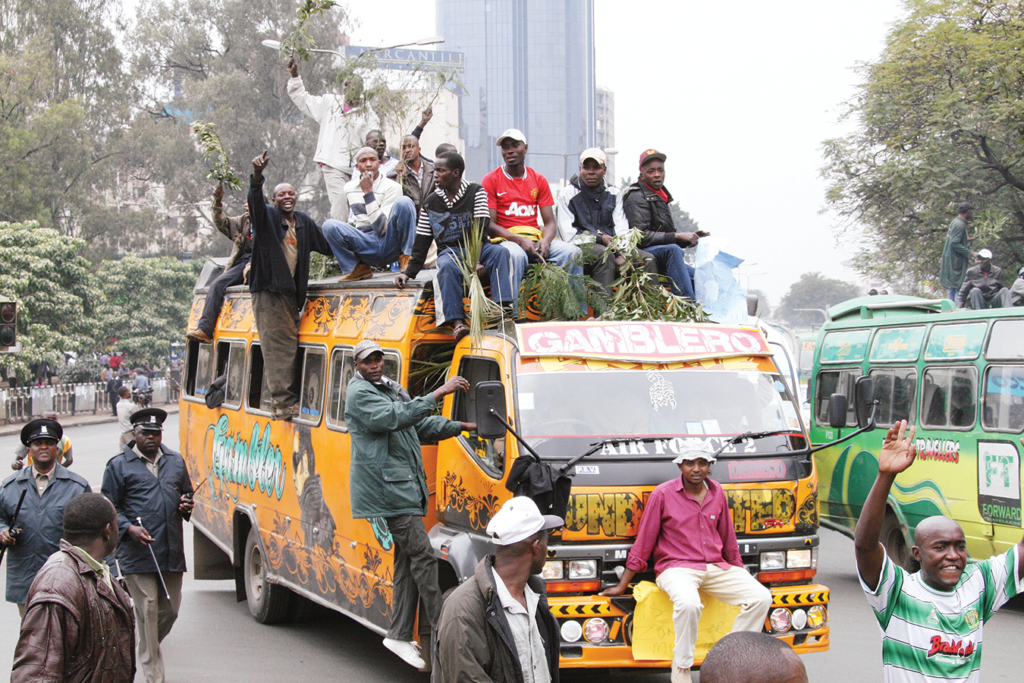
A new wave of transport disruption could be on the horizon after matatu workers signalled plans to down tools over long-standing wage grievances and worsening conditions linked to the fuel crisis.
The Matatu Workers Union (MWU) and the Long-Distance Drivers and Conductors’ Association have warned that they may initiate industrial action unless their wages are prioritised within the daily revenue-sharing system before fuel and other operational costs are deducted.
If the strike proceeds, it could severely disrupt mobility for an estimated 3.5 million daily commuters in Nairobi alone, where matatus form the backbone of urban public transport.
Union leaders say workers have been excluded from key discussions on the fuel crisis, despite being the ones bearing the brunt of rising costs and stagnant earnings. MWU Secretary General Maurice Oduor accused both operators and authorities of sidelining employees in decision-making processes affecting the sector.
The unions are demanding a restructuring of the current payment model, arguing that drivers and conductors should receive their wages first from daily collections, followed by fuel and other expenses, with any remaining balance shared thereafter.
Under the current system, sacco owners set fixed daily remittance targets for crews, leaving workers to manage fuel and operational pressures from the remainder of earnings.
Also Read: KenGen Moves to Sell Power Directly to Consumers in Bid to Break KPLC Monopoly
The union further claims that despite rising fuel prices and declining passenger numbers, operators have maintained unchanged collection targets, worsening financial strain on workers.
They have also warned that any intimidation or punitive action against members pushing for fair compensation will trigger a coordinated industrial response.
The dispute highlights increasingly difficult working conditions for matatu crews, who often operate from early morning until late at night amid rising transport costs and growing commuter pressures.
Given that matatus account for more than 80 per cent of public transport trips in major towns, any strike action could trigger widespread disruption across Nairobi and other urban centres.