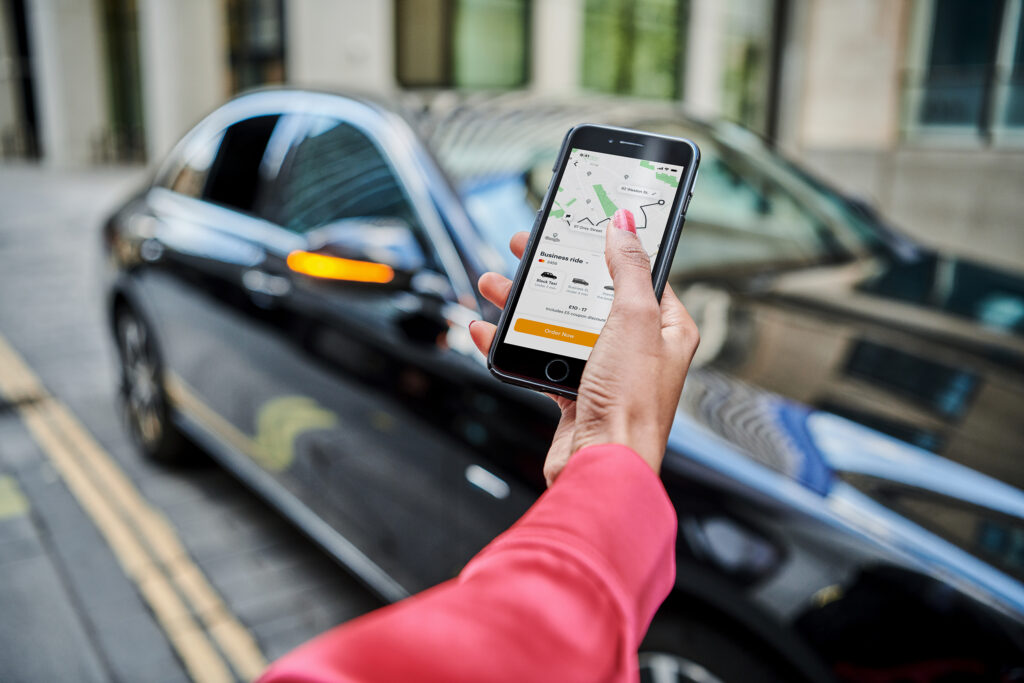
Kenya’s ride-hailing industry is facing renewed uncertainty as regulators consider introducing minimum fares or increasing per-kilometre charges, a move that has drawn mixed reactions from drivers, passengers and industry players.
The National Transport and Safety Authority (NTSA) has begun consultations with stakeholders on possible changes to fare structures. Among the proposals under discussion are the introduction of a minimum fare for every trip and mandatory increases in per-kilometre pricing.
The discussions follow a directive issued by President William Ruto in May, instructing the NTSA to develop regulations aimed at raising minimum ride-hailing fares after meeting matatu operators and ride-hailing drivers at State House in Mombasa. Although the regulator has yet to release a formal proposal, industry sources suggest that the increases being considered range from modest adjustments to significantly higher fares.
The proposed changes come as drivers continue to grapple with rising fuel costs, worsening traffic congestion and declining earnings. Many argue that existing fare levels no longer reflect the cost of operating their vehicles.
However, higher fares may not necessarily translate into better incomes. While drivers could initially benefit from increased earnings per trip, more expensive rides may discourage passengers from using ride-hailing services, ultimately reducing the number of bookings available.
One driver, Peter, described the financial pressures facing many operators, citing school fees, fuel expenses and vehicle loan repayments as major concerns. Although he welcomed the prospect of higher fares, he also expressed concern that increased prices could drive customers away.
Economists note that the challenge lies in balancing supply and demand. Higher fares could attract more drivers into the market while simultaneously reducing passenger demand, potentially leaving drivers competing for fewer trips despite charging more per journey.
Also Read: Gov’t Unveils Stricter Gambling Rules with Heavy Penalties for Delayed Payouts
Disputes over ride-hailing fares are not new. Previous campaigns by drivers largely focused on the commission charged by digital platforms, but recent concerns have shifted towards shrinking profit margins driven by higher operating costs, particularly fuel prices.
Regional experience also offers a cautionary lesson. Earlier this year, Tanzania introduced government-mandated ride-hailing fare increases, a policy that was followed by Uber’s exit from the market, raising questions about the long-term effects of regulatory price controls.
Should Kenya proceed with fare increases, analysts expect drivers to experience short-term gains. Over time, however, passengers may respond by reducing discretionary travel, switching to cheaper public transport such as matatus, or relying more on private vehicles.
As consultations continue, regulators face the difficult task of striking a balance between improving driver livelihoods and preserving affordable transport for consumers, while ensuring the ride-hailing market remains competitive and sustainable.