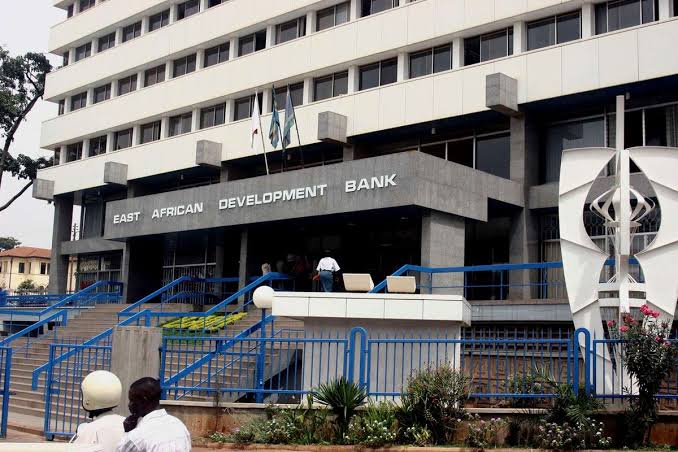
Stakeholders have urged Parliament to strengthen oversight of the East African Development Bank (EADB) by removing some of the legal immunities enjoyed by the regional lender and introducing stricter accountability measures.
Lawyer Gregory Ndege and former Mwala MP John Mutinda presented their proposals to the National Assembly’s Departmental Committee on Finance and National Planning during public hearings on the East African Development Bank (Amendment) Bill, 2026.
The pair backed provisions requiring the National Assembly to approve any government funding allocated to the bank before the National Treasury can release the money. Under the current law, the Treasury Cabinet Secretary can authorise payments from the Consolidated Fund to the EADB without parliamentary approval.
They also called for the Auditor General to be empowered to audit funds disbursed to the bank, arguing that the existing legal framework lacks adequate financial oversight.
In a joint submission, they proposed amending the Bill to require independent audits of all public funds transferred to the EADB, with audit reports tabled before Parliament in line with constitutional provisions on transparency and accountability.
The proposals were presented on behalf of Paul Lihanda, whose petition at the Machakos High Court resulted in several sections of the East African Development Bank Act being declared unconstitutional.
The stakeholders further questioned why Kenya has not received any dividends from the bank over the past 15 years despite contributing approximately Sh6.6 billion to the institution.
They also recommended narrowing the bank’s legal immunity by excluding criminal conduct involving its directors, officers, employees or agents from statutory protection.
In addition, they urged lawmakers to tie future Kenyan funding to governance reforms addressing insider lending, loan write-offs involving board members, board tenure limits and the bank’s practice of avoiding Kenyan courts in contractual disputes.
Also Read: Kenyan Forex Traders Lose KSh7.12 Billion Despite Sharp Decline in Market Activity
The proposed amendments come as Parliament reviews legislation intended to align Kenya’s domestic laws with revisions to the Treaty for the Establishment of the East African Development Bank and implement the institution’s updated governance framework.
Finance Committee Vice Chair and Kitui Rural MP David Mboni acknowledged that concerns surrounding the bank have not been adequately addressed, noting that previous attempts by Parliament to obtain information from the institution had yielded little progress.
One of the key provisions in the Bill would require parliamentary approval before the Cabinet Secretary can authorise public funds or financial commitments to the EADB.
Members of the Finance Committee said they would consider the recommendations submitted by stakeholders before finalising their report on the Bill, including whether additional accountability and governance safeguards should be incorporated into the proposed law.

