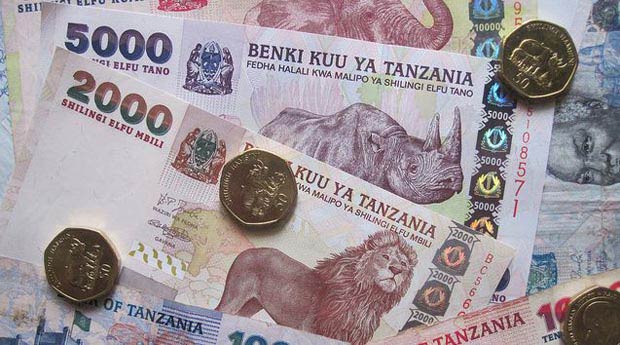
Tanzania has opened its domestic government securities market to investors from around the world, removing restrictions that had previously limited foreign participation mainly to citizens of East African Community (EAC) and Southern African Development Community (SADC) countries, as well as Tanzanians living abroad.
The move follows the Foreign Exchange (Amendment) Regulations, 2026, which were signed on July 13 and gazetted on July 17. The regulations allow non-resident investors to buy, sell and transfer securities in Tanzania, including government bonds and other government debt instruments.
The Bank of Tanzania (BoT) has subsequently confirmed that foreign investors can participate in Treasury bills and Treasury bonds through authorised Central Depository Participants, provided they comply with applicable foreign-exchange regulations and other operational requirements.
The opening of the market comes alongside the central bank’s launch of Tanzania’s sovereign yield curve on August 7. The benchmark is expected to improve the pricing of government securities, loans and corporate bonds while strengthening price discovery and activity in the secondary market.
The latest reforms expand on measures introduced in 2022, when Tanzania first allowed residents of EAC and SADC countries, together with Tanzanians in the diaspora, to invest in its government securities. The new regulations extend that access to investors globally.
Tanzania Seeks to Broaden Domestic Debt Financing
The liberalisation comes as the government looks to broaden its investor base amid rising domestic borrowing requirements.
Tanzania plans to raise TZS3.27 trillion, equivalent to about US$1.24 billion, through domestic borrowing during the current financial year. The target is nearly 11% higher than the amount planned a year earlier.
Central government debt stood at TZS114.34 trillion at the end of March 2026, representing an 8.97% increase from the previous year. Domestic debt accounted for TZS38.45 trillion, or 33.63% of the total.
Treasury bonds made up the bulk of domestic borrowing at TZS31.61 trillion, equivalent to 82.22% of domestic debt. The government’s increased reliance on longer-term bonds forms part of its strategy to extend maturities and minimise refinancing risks.
Also Read: LAPTRUST I-REIT Profit Drops 29% as Rental Income Nearly Halves Despite Higher Occupancy
However, Tanzania’s domestic debt market remains heavily concentrated among a small group of investors. Institutional investors, primarily pension funds and insurance companies, held 32.41% of domestic debt as of March 2026. Commercial banks accounted for 28.42%, while the Bank of Tanzania held 18.04%.
Allowing international investors into the market could broaden demand for government securities beyond domestic institutions. It also gives Tanzania an opportunity to attract foreign capital through shilling-denominated assets without creating the direct foreign-currency liabilities associated with external borrowing.
The government is also considering issuing a Eurobond later this year, depending on market conditions. An adviser to the government told Bloomberg that a potential issuance could raise up to US$500 million.
Tanzania Strengthens Sovereign Bond Market
The latest opening is part of a broader effort to deepen Tanzania’s financial markets. The country has progressively introduced longer-maturity Treasury bonds, established benchmark bond programmes and strengthened connections between the Bank of Tanzania’s Central Depository System and the Dar es Salaam Stock Exchange.
These reforms have become increasingly important since Tanzania shifted to an interest-rate-based monetary policy framework in January 2024. A deeper and more liquid financial market is expected to improve the transmission of monetary policy across the economy.
In May 2026, the central bank also introduced an electronic matching platform for USD/TZS interbank foreign-exchange transactions, aimed at improving transparency and strengthening price discovery in the foreign-exchange market.
Together, the reforms are designed to create a deeper, more transparent and increasingly internationally accessible Tanzanian capital market.