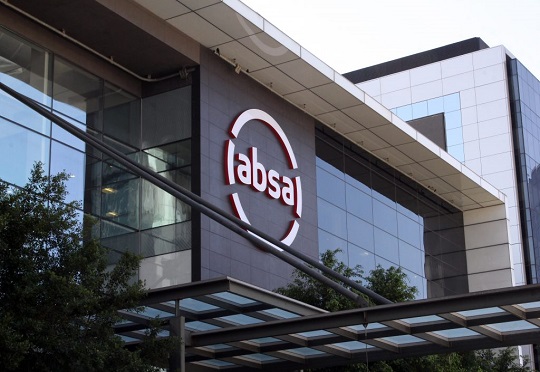
South Africa’s Absa Bank is weighing a potential acquisition in Kenya as it looks to rebuild scale in the retail banking space and claw back ground lost to rivals. The lender is assessing several takeover options that would expand its loan book among households and small businesses, part of a broader push to regain prominence in the mass market.
Absa Group chief executive Kenny Fihla said the bank remains open to both organic expansion and acquisitions, provided regulators create a supportive environment. Speaking during a visit to Kenya, he noted that the regulatory climate in Kenya and across East Africa is favourable for so-called inorganic growth. While no deal has been sealed yet, he said the bank continues to scan the market and will move when the right opportunity emerges.
Absa is the latest South African lender to signal interest in acquisitions in the region, joining peers such as Nedbank, Standard Bank and FirstRand Bank, all of which are seeking to deepen and diversify their East African footprints.
Any transaction would come amid sweeping changes in Kenya’s banking sector, where plans to raise minimum core capital requirements for commercial banks tenfold to Sh10 billion are expected to accelerate mergers and buyouts. Absa would pursue any deal through its Kenyan subsidiary, in which the group holds a 68.5 percent stake. The strategy forms part of a wider effort to diversify earnings by leaning more heavily into retail banking, an area the lender has lagged in since 2016.
Absa’s renewed retail push gathered pace in 2024, when it expanded its branch network for the first time in eight years. That followed a prolonged contraction, with branches falling from 121 in 2016 to 91 in 2017 and 83 by 2023, before a modest recovery. Like many banks, Absa has increasingly leaned on mobile and online channels to cut costs and improve efficiency, but Fihla said physical scale still matters in capturing the retail opportunity.
Also Read: Kenyan Creators Rake in Sh45m in TikTok Brand Deals in First Year of Local Operations
He argued that banking is ultimately a game of scale, warning that overly narrow positioning limits relevance and economic impact. Absa’s approach, he said, is to be selective about target customer segments, build meaningful scale there, then use that platform to grow into new areas over time.
The lender’s earlier retreat from retail coincided with aggressive expansion by rivals such as Equity, Cooperative Bank and KCB, a shift that saw Absa slip down the rankings. In 2007, Absa was Kenya’s largest bank by assets at Sh157.9 billion, ahead of KCB. By 2024, it had fallen to fifth place with Sh606 billion in assets, trailing KCB, Equity, Cooperative Bank and NCBA.
At the heart of Absa’s strategy is the hunt for low-cost deposits from households and small enterprises. These funds provide cheaper liquidity that can be channelled into higher-yield lending, including corporate credit, while also appealing to regulators. Fihla said the retail market is attractive not just for funding reasons, but also because relevance to everyday Africans is central to Absa’s identity as a continental bank.
Fihla’s three-day visit to Kenya began on February 3 and followed closely on the heels of a trip by Standard Bank chief executive Sim Tshabalala, underscoring the intensifying interest by South African banks in Kenya and the wider East African market.

