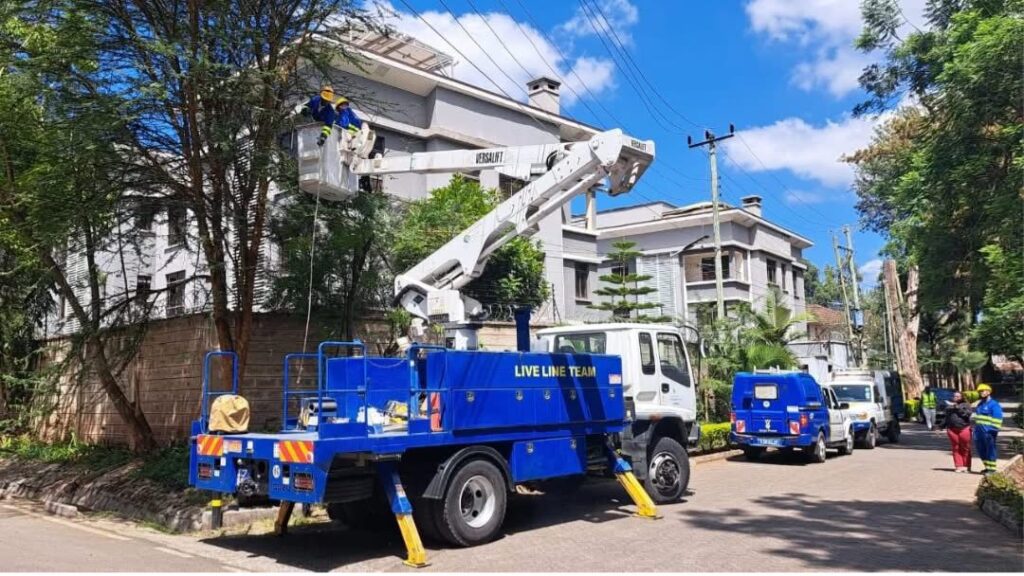
Kenya is stepping up its push to strengthen the backbone of its off-grid electrification programme, with a fresh procurement process signalling the next phase of a World Bank-supported initiative already investing heavily in solar power for underserved regions.
The Kenya Power and Lighting Company (KPLC) has issued a tender for the supply of single-phase prepaid electricity meters alongside miniature circuit breakers. The procurement will be financed through the KSh 19.37 billion Kenya Off-Grid Solar Access Project (KOSAP).
The international competitive bidding process closes on 16 June and reflects a transition from building infrastructure to fully integrating systems. The aim is to ensure newly electrified communities can efficiently connect to the grid, monitor consumption, and handle billing systems effectively.
This move follows earlier contracts under KOSAP, which is jointly implemented by the Ministry of Energy, Kenya Power, and the Rural Electrification and Renewable Energy Corporation (REREC). Earlier in the year, around KSh 10 billion worth of contracts were awarded for the construction of 113 solar mini-grids and installation of standalone systems in public facilities.
The targeted regions include 14 largely remote counties such as Turkana, Garissa, and Lamu, where extending the national grid remains costly and impractical due to geography and low population density. The projects are intended to power schools, hospitals, and government offices, while also extending electricity access to surrounding communities.
The new tender focuses on the commercial and operational layer of the project. Prepaid meters, now widely used in Kenya, help improve revenue collection and give consumers more control over their electricity usage, while circuit breakers enhance safety and stability in decentralised solar systems.
Beyond mini-grids, KOSAP has already supported over 170,000 standalone solar home systems, benefiting nearly one million people, alongside clean cooking and solar-powered water initiatives aimed at expanding energy access in areas still far from the national grid.
Also Read: Safaricom Announces Record Breaking Dividend in Biggest Payout Ever by a Kenyan Firm
Although Kenya’s electricity access rate has climbed to about 75%, connecting remote and low-income households remains a major challenge. Kenya Power is still grappling with roughly KSh 30 billion in unpaid reimbursements linked to rural electrification, with some mini-grid projects suffering from maintenance gaps and equipment failures.
Bidders in the latest tender are required to provide a minimum bid security of KSh 5.3 million, roughly equivalent to $40,400, as part of the submission requirements.