S&P Global Ratings has lifted Nigeria’s sovereign credit rating by one notch to B from B-, marking its first upgrade in 14 years and completing a rare clean sweep across the three major credit agencies within just over a year.
Fitch led the reassessment in April 2025, upgrading Nigeria from B- to B, followed by Moody’s in May 2025, which moved the country up two notches from Caa1 to B3, pulling it out of near-distressed territory.
Nigeria’s external position has strengthened notably, with gross foreign exchange reserves rising to US$50 billion by March 2026, up from US$33 billion in 2023. This has been supported by an expanding current account surplus, forecast to reach 5.8% of GDP in 2026 compared with 4.8% in 2025.
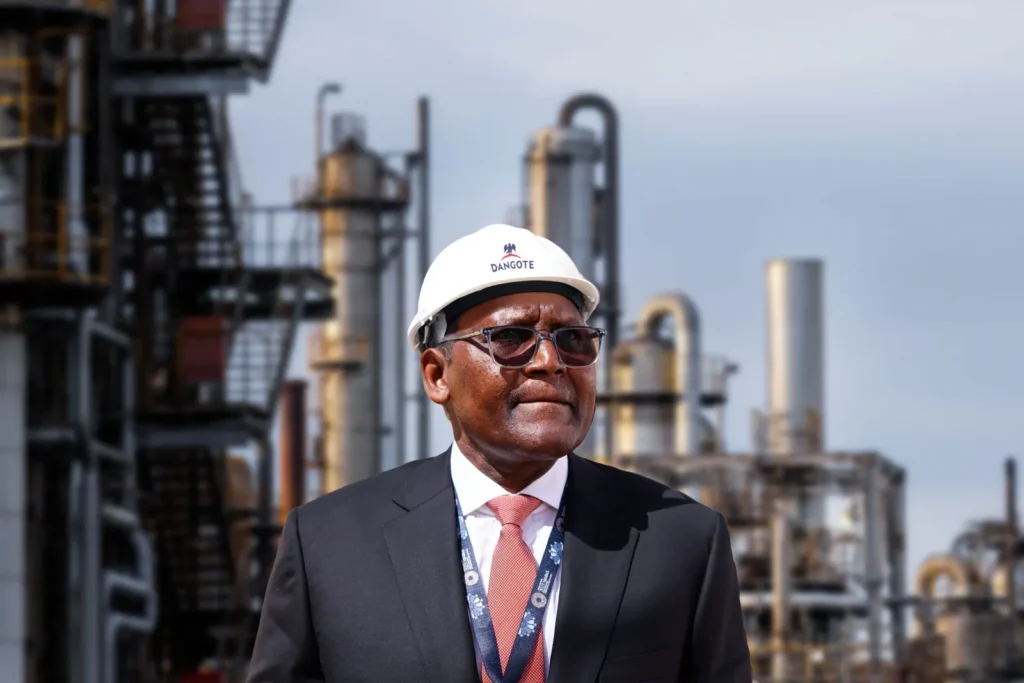
A major structural shift has come from the Dangote refinery, now running close to its full 650,000 barrels per day capacity. In March 2026 alone, it exported 44,000 barrels per day of petrol, turning Nigeria into a net exporter of refined fuel for the first time in its history and easing long-standing pressure on foreign exchange demand.
On the fiscal side, government revenue climbed to 11.5% of GDP in 2025 from 7.3% in 2023. Meanwhile, the debt-to-revenue ratio is projected to improve to 338% in 2026 from 503% in 2023, aided in part by Executive Order 9, which channels all petroleum inflows directly into the Federation Account.
Also Read: Police Assure Public Of Security Amid Matatu Strike Over Cost Of Fuel
The foreign exchange market has also seen a marked revival, with average monthly turnover rising to US$8.6 billion in 2025, up 56.4% year-on-year, and hitting US$10 billion in April 2026. This reflects the depth of recovery following the 2023 naira liberalisation, which reopened a previously constrained market.
Investor sentiment has been quick to price in the improvements. Yields on Nigeria’s June 2031 Eurobond fell by about 250 basis points between the Fitch and Moody’s upgrades in 2025. In November 2025, a US$2.35 billion Eurobond issuance attracted US$13 billion in orders, an oversubscription of 477%, the strongest demand on record for the country.
However, the recovery narrative sits alongside deep structural social pressures. Poverty now affects roughly 50% of Nigerians, up from 30% before 2020. Food insecurity has risen sharply, impacting about 31 million people compared with 4 million in 2019, while unemployment stands near 30%.
S&P notes that many of the reforms underpinning the upgrade, including subsidy removal and currency depreciation, have also contributed to worsening living conditions. The agency warns that these policies face political risk ahead of the 2027 elections, particularly if rising global fuel prices linked to geopolitical tensions trigger renewed pressure to restore subsidies.
Despite the upgrade, Nigeria remains five notches below investment grade. Its revenue-to-GDP ratio of 12.4% in 2026 still ranks among the lowest for rated sovereigns globally.