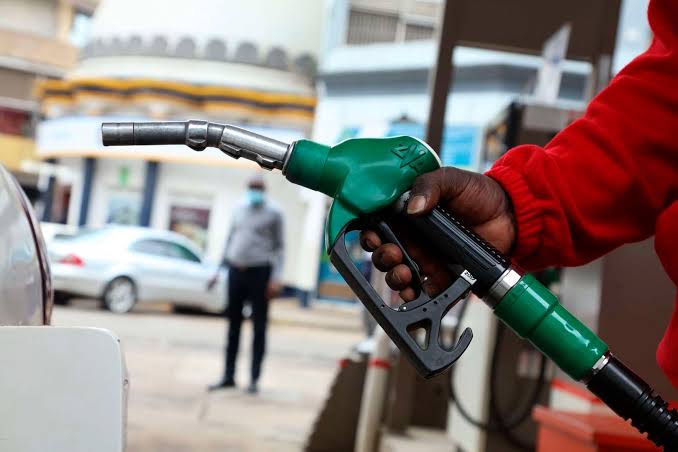
Fuel prices have eased slightly in the latest review period after the government deployed an additional KSh10 billion from the Petroleum Development Levy (PDL) to cushion consumers, with diesel registering the most significant reduction.
Under the June 15 to July 14, 2026 pricing cycle, diesel prices in Nairobi fell by KSh10 per litre to KSh222.86, according to the latest review by the Energy and Petroleum Regulatory Authority (EPRA).
Super petrol declined marginally by KSh0.22 to retail at KSh214.03 per litre, while kerosene remained unchanged at KSh191.38 for the second consecutive month.
The latest adjustment comes weeks after a nationwide transport strike on May 18 that disrupted transport services across the country and left two people dead, as operators protested sharp fuel price increases introduced in the previous cycle.
EPRA’s pricing schedule shows that allocations from the Petroleum Development Levy doubled to KSh10 billion from KSh5 billion in May, with the funds specifically directed towards lowering diesel and kerosene costs.
The reduction is particularly notable given that international fuel import costs remained largely stable during the review period. Landed costs for super petrol fell by only 0.56%, diesel increased slightly by 0.21%, while kerosene declined by 0.33%. Over the same period, the exchange rate moved only marginally from KSh129.56 to KSh129.82 against the US dollar.
These figures suggest that market conditions alone did not warrant the sharp KSh10 drop in diesel prices, indicating that government intervention played a significant role in the latest adjustment.
Also Read: EABL Drives NSE Trading Activity as Foreign Investors Return to Buying
Official data shows that Kenya has spent approximately KSh28.19 billion on fuel stabilisation measures since the current pricing crisis began. Prior to the latest subsidy allocation, outstanding subsidy obligations were already estimated at around KSh17 billion, raising concerns about the long-term sustainability of the programme.
Kerosene users, however, continue to bear the brunt of high energy costs. Despite remaining unchanged in the latest review, kerosene prices are still KSh38.60 higher than levels recorded before the May protests, placing continued pressure on low-income households that depend on the fuel for cooking and lighting.
EPRA has not indicated whether the elevated kerosene prices will be adjusted downward in future pricing cycles.
Meanwhile, questions are emerging over recent changes to the fuel pricing formula. The regulator has adopted a methodology that prices imported fuel cargoes using lagged international price averages rather than prevailing market rates. As a result, consumers may not immediately benefit from any further declines in global oil prices.
Having committed billions of shillings to lower fuel costs amid public pressure, the government’s next challenge will be maintaining price stability without relying on additional subsidies or facing renewed public discontent.


