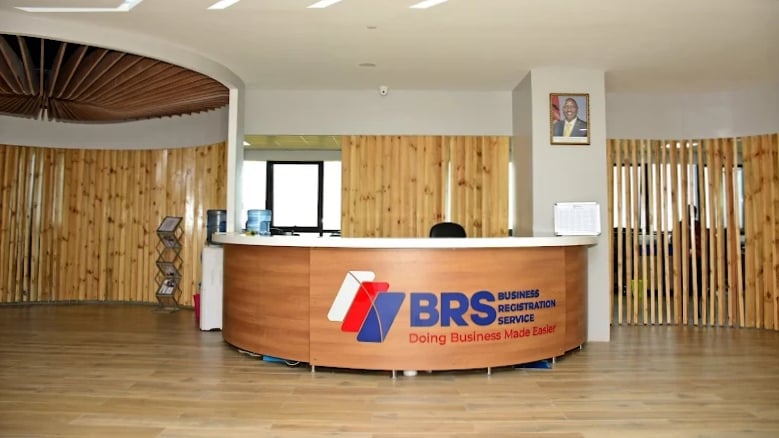
The Business Registration Service (BRS) has rolled out enhanced verification procedures for changes involving company directors and shareholding in a bid to curb fraud and strengthen the integrity of corporate records.
Under the new regulations, directors and shareholders must personally confirm transactions relating to the appointment or resignation of directors, as well as share transfers. Individuals directly affected by these changes, referred to as “authenticators”, will be required to verify and approve the filings before they can be processed.
According to law firm Bowmans, the primary verification process is system-driven. Authenticators receive a One-Time Passcode (OTP) through their registered email address and mobile phone number, alongside a link to the Business Registration Service Version 2 (v2) consent portal.
To complete the process, authenticators must log into their eCitizen accounts, review the transaction details, and indicate whether they approve or decline the request before entering the OTP.
Applications that receive all the necessary approvals will be processed automatically. However, if any authenticator declines the request, the application will be stopped and marked as declined.
In instances where the system-based verification mechanism is unavailable, BRS may use email confirmation. Should email verification fail, the agency may require the authenticator to confirm their identity through a virtual Zoom call.
Bowmans noted that the reforms are designed to improve due diligence, strengthen corporate governance standards, and prevent fraudulent or contested alterations to company records. To avoid delays, authenticators are required to maintain active eCitizen accounts and ensure their registered contact information remains up to date.
Also Read: Kenya Pushes Resilience-First Humanitarian Model At UN Meeting
Under the revised framework, individuals being appointed or resigning as directors, as well as shareholders transferring shares, must provide direct consent before any changes can take effect. Where consent is withheld, the application will not proceed, and authenticators may provide reasons for their decision. Conversely, an application will be approved automatically once all required parties have granted consent.
BRS data shows that 138,000 business entities were registered during the 2024/25 financial year. These included 73,624 business names, 62,287 private companies, 52 public companies, 185 foreign companies, 894 companies limited by guarantee, 522 limited liability partnerships, 48 limited partnerships, and 388 trusts.
The figure represents an increase of 1,791 registrations compared to the 2023/24 financial year, translating to a 1.31 per cent rise.
BRS noted that registration patterns fluctuated throughout the year, with December recording the lowest number of registrations at 8,315. The decline was attributed to the festive season, which typically reduces the volume of customer applications and business registration activity.