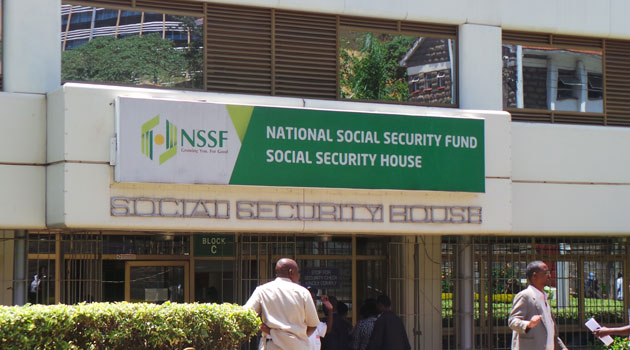
A cybersecurity attack on the National Social Security Fund’s (NSSF) systems disrupted operations and slowed the processing of benefits, resulting in a rare decline in annual payouts to members leaving the scheme in the financial year ending June 2025.
New disclosures reveal that the fund, which collects more than Sh80 billion from contributors each year, experienced a cyber incident during the review period that contributed to a Sh997 million reduction in benefits paid out. Total payouts fell to Sh8.74 billion from Sh9.71 billion recorded in the previous financial year, marking the first decline in over five years and underlining the operational disruption caused by the attack.
The amount disbursed was also 20 percent below the Sh10.96 billion the fund had projected. In its annual report, NSSF attributed the shortfall to system downtime triggered by the cyberattack, which slowed benefits processing. The fund said the issue has since been resolved and additional security safeguards have been implemented to prevent a repeat of the incident.
In May last year, NSSF acknowledged an attempted intrusion targeting its image storage system but dismissed claims that its core platform, which stores member records and financial transaction data, had been compromised. According to the fund, system outages related to the cyber incident took time to resolve, pushing a backlog of benefit payments into the current financial year.
During the period under review, the fund received 128,836 claims, down from 148,326 the previous year. NSSF said it is rolling out comprehensive cybersecurity measures aimed at detecting, deterring, and preventing future intrusions.
Despite the temporary disruption, the long-term trend in payouts remains upward. Benefits paid annually have nearly doubled compared to the Sh4.43 billion disbursed in the 2019/2020 financial year. In the year ending June 2025, NSSF collected Sh83.97 billion from members, averaging about Sh230 million per day, a scale that makes the institution an attractive target for cybercriminals.
By mid-last year, the fund held records for 3.6 million active members and 77,764 registered employers. NSSF provides several categories of benefits, including age benefits for members who reach the retirement age of 60, withdrawal benefits for those aged 50 who have been out of formal employment for at least a year, and invalidity benefits for members unable to work due to illness or disability.
Also Read: IEBC Set for Sh169m Car Purchase as Treasury Revises Mini-Budget
It also pays survivors’ benefits to dependants in the event of a member’s death and emigration grants to members permanently leaving the country. Over the review period, the fund paid out Sh3.85 billion in age benefits, Sh867.36 million in withdrawal benefits, Sh298.76 million in survivors’ benefits, Sh33.36 million in emigration grants, Sh11.95 million in invalidity benefits, and Sh3.67 billion in interest.
Meanwhile, contributions to the scheme rose sharply to Sh83.97 billion in the 2024/2025 financial year from Sh62.29 billion a year earlier. The increase was largely driven by the continued rollout of the NSSF Act 2013, which raised mandatory contributions from both employers and employees. As a result, total members’ funds surged to Sh572.77 billion during the period, up 43 percent from Sh400.14 billion recorded in the previous financial year.