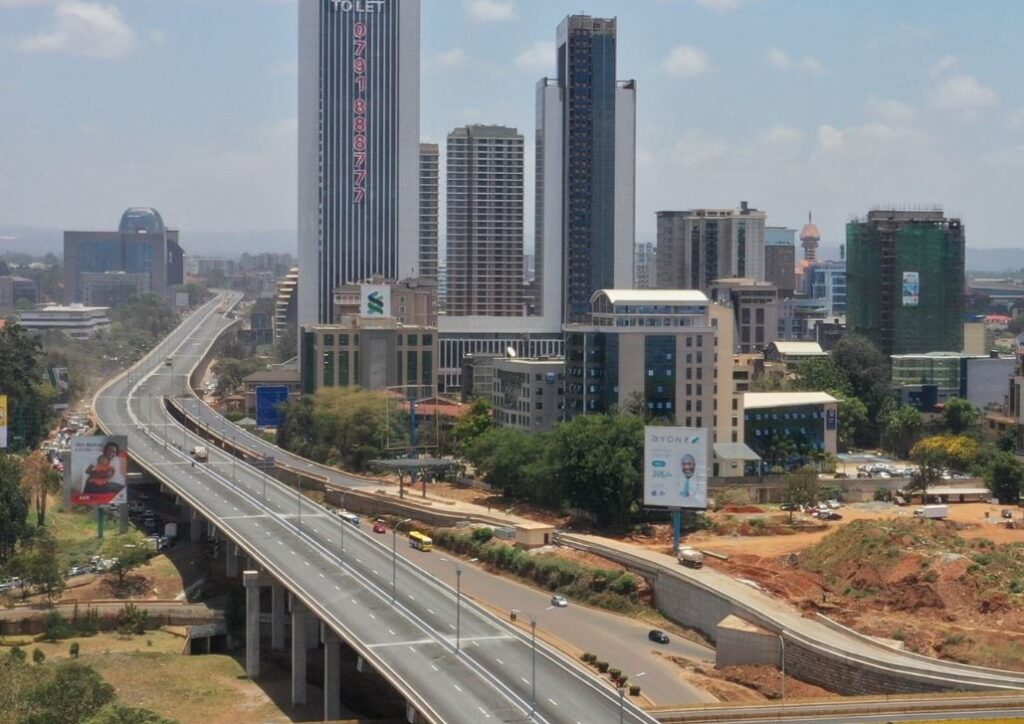
The Nairobi Expressway recorded an increase in revenue during the first six months of 2026 as rising traffic volumes continued to support the road’s commercial performance.
China Communications Construction Company (CCCC), the parent company of China Road and Bridge Corporation (CRBC), reported revenue of RMB204 million, equivalent to about Sh3.9 billion, from its Nairobi Expressway concession for the period ending June 30, 2026.
The figure represents a 7.4 per cent increase from the RMB190 million, or approximately Sh3.6 billion, recorded during the same period in 2025.
The six-month revenue translates to roughly Sh21.5 million per day.
CCCC’s interim financial report showed that its concession projects collectively generated RMB3.936 billion, approximately Sh74.6 billion, during the period. The Nairobi Expressway therefore accounted for about 5.2 per cent of the group’s total concession revenue.
Despite the growth, the Kenyan road remains a relatively small asset within the Chinese infrastructure giant’s wider operations.
CCCC posted group revenue of RMB333.16 billion, equivalent to about Sh6.4 trillion, in the first half of 2026. Its Nairobi concession represented approximately 0.061 per cent of the group’s overall revenue.
The company operates across 139 countries and regions, making the Nairobi Expressway a modest but strategically significant overseas concession.
Revenue from the Kenyan road has grown steadily in recent years, rising from RMB200 million in 2023 to RMB323 million in 2024 and RMB406 million in 2025.
Also Read: Port Of Mombasa Sets New Container Discharge Record
By June 2026, the accumulated investment in the expressway had reached RMB4.7 billion, or about Sh89.3 billion. The concession agreement provides for 27 years of toll collection.
The increase in revenue has coincided with a substantial rise in traffic on the expressway.
Public-Private Partnership data shows that the road handled an average of 67,298 vehicles per day in the 2024/25 financial year, up from approximately 59,000 vehicles two years earlier. When operations began, daily traffic stood at only about 11,000 vehicles.
During the first half of FY2024/25, approximately 12.5 million vehicles used the expressway.
However, increased traffic has not necessarily translated into profitability for the operator.
Treasury data indicated that the operator recorded a loss of Sh1.84 billion in the six months to December 2024. It collected Sh7.16 billion in tolls against expenses of approximately Sh9 billion, including debt servicing, operations and maintenance costs.
Investment analysts have noted that while the expressway has attracted a growing number of motorists, its financial structure remains exposed to significant long-term financing costs and foreign exchange risks.
The project was developed under a 30-year build-operate-transfer model, with 27 years allocated to toll collection following completion of construction.
According to Kenya’s PPP Directorate, the project is valued at Sh86.8 billion. Moja Expressway is responsible for financing, operating and maintaining the road during the concession period before handing it back to the Government.
Initial projections estimated that the expressway would generate approximately Sh302.5 billion in toll revenue over the concession period, while earlier government estimates placed annual collections at around Sh11.2 billion.
Investment banker Mathew Mugambi said the arrangement largely places traffic and revenue risks on the private operator, limiting the financial exposure of taxpayers.