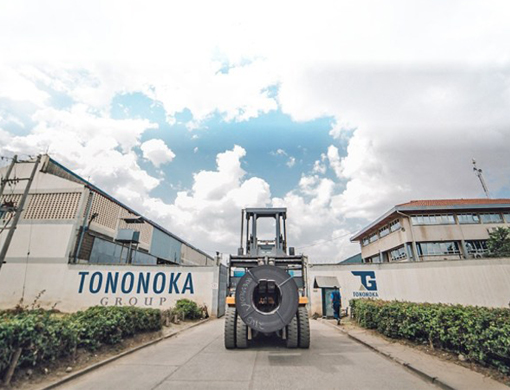
Steel manufacturer Tononoka Rolling Mills has pushed back against allegations by the Competition Authority of Kenya (CAK) linking it to a steel price-fixing scheme, arguing that the regulator failed to provide credible evidence to support its claims.
In submissions filed before the High Court, the company contended that CAK did not sufficiently demonstrate the existence of any agreement or coordinated arrangement amounting to price manipulation.
The dispute stems from a 2023 decision in which the competition regulator fined nine steel manufacturers a combined Sh338.8 million over allegations of price-fixing, production control, and coordinated changes to product specifications. Tononoka was penalised Sh62.72 million as part of the enforcement action.
After unsuccessfully contesting the ruling before the Competition Tribunal, which dismissed its appeal in July last year, the company escalated the matter to the High Court.
Also Read: Court Upholds Dismissal of NCBA Employee Over Unauthorised Access to Customer Accounts
Tononoka argues that the regulator’s conclusions on both price-fixing and output restrictions were unsupported by adequate or admissible evidence.
According to the firm, the CAK failed to establish the legal threshold required under Section 21 of the Competition Act, including proof of an agreement, concerted practice, or coordinated decision intended to prevent, distort, or lessen competition within the market.
The company also claims it was denied a fair opportunity to challenge the evidence presented against it. Specifically, it says it was not allowed to cross-examine individuals involved in preparing the Market Intelligence Report or officers who carried out search and seizure operations at its premises.
The matter is scheduled for mention on June 10.
Among the issues Tononoka wants the High Court to determine is whether the evidence relied upon by the Tribunal was sufficient to uphold findings of anti-competitive conduct and whether the tribunal erred in affirming liability against the company.
The firm further maintains that there was no proof showing it was engaged in actual or potential competition with the other accused parties, or that its conduct undermined independent market competition.