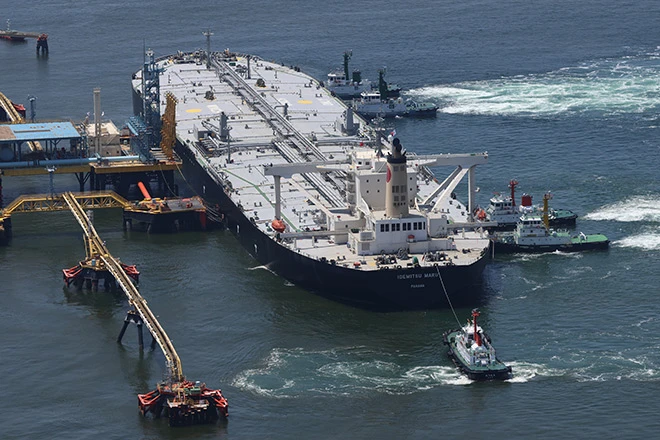
The United States has temporarily lifted sanctions on millions of barrels of Iranian oil stranded at sea, allowing the cargoes to be sold over the next 30 days in a move aimed at easing pressure on global energy markets amid continued conflict involving Iran, Israel and the US.
US Treasury Secretary Scott Bessent announced on Friday, March 20, that the waiver applies exclusively to Iranian crude and petroleum products already in transit, stressing that it does not permit new purchases, production or exports.
According to Bessent, the measure is expected to release around 140 million barrels of Iranian oil into the global market, increasing supply and helping to stabilise prices disrupted by ongoing geopolitical tensions.
The Treasury Department’s Office of Foreign Assets Control (OFAC) subsequently issued General License U, authorising the delivery and sale of Iranian-origin crude oil and petroleum products that had already been loaded onto vessels by March 20, 2026.
Bessent maintained that the temporary authorisation would not weaken Washington’s broader sanctions strategy, noting that Iran would face significant challenges accessing any proceeds generated from the sales. He added that the US would continue exerting maximum economic pressure on Tehran.
Iran Rejects US Claims
The announcement came shortly after Iran dismissed suggestions that significant volumes of surplus crude remained available for release.
Oil Ministry spokesperson Saman Ghoddoosi said Iran had virtually no excess oil floating at sea or available for international supply, arguing that Washington’s statements were intended to reassure nervous energy markets rather than reflect the actual situation.
The latest waiver resembles a previous Trump administration decision that temporarily permitted the sale of sanctioned Russian oil cargoes stranded at sea under a similar 30-day exemption.
Strait of Hormuz Tensions Fuel Market Volatility
The policy shift comes as escalating tensions around the Strait of Hormuz continue to unsettle global energy markets. Iran has targeted vessels it claims are linked to the United States and Israel, disrupting the movement of oil and gas through one of the world’s most critical shipping routes, which handles roughly 20 per cent of global oil supplies.
The resulting supply concerns have contributed to higher international oil prices.
Also Read: Miner Killed In Explosion At Kuria West Gold Mine
Beyond maritime disruptions, Iran has intensified its regional military activities. This week, two drone attacks reportedly struck Kuwait’s Mina Al Ahmadi refinery, one of the Gulf’s largest refining facilities, triggering a fire.
Iranian military officials have also warned neighbouring Gulf states, threatening to target the UAE’s Ras Al Khaimah should the United States or its allies launch attacks on Iranian-controlled Gulf islands. The warning followed an earlier incident in which UAE air defences intercepted a drone, with debris landing in a residential area.
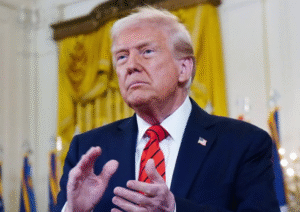
Meanwhile, President Donald Trump suggested Washington may be nearing the end of its military campaign objectives in Iran, saying the US was “very close” to achieving its goals and was considering scaling back operations while urging other nations to play a greater role in securing the Strait of Hormuz.