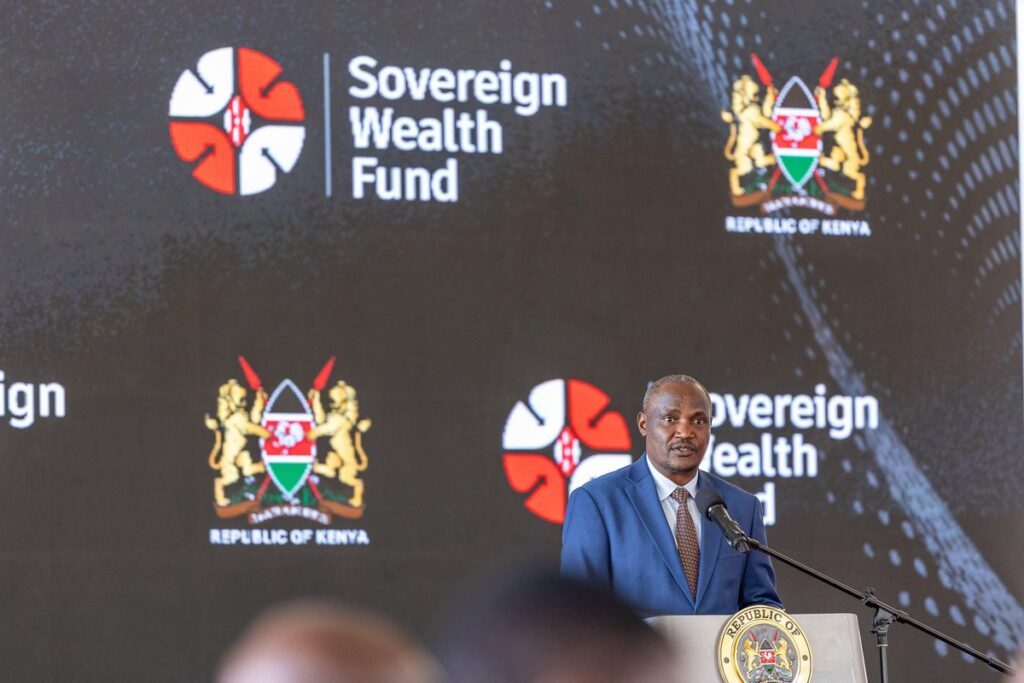
Kenya’s newly established Sovereign Wealth Fund has received support from the International Monetary Fund (IMF), which says the initiative could strengthen long-term economic growth if anchored in strong governance and legal safeguards.
In a report released last week, the IMF urged countries setting up sovereign wealth funds to adopt clear legal frameworks, transparent governance structures and strict accountability measures to protect public resources and maintain investor confidence.
The remarks come shortly after Kenya enacted the Sovereign Wealth Fund Act, creating the legal basis for a fund that will invest and preserve revenues from natural resources and selected state assets as the country looks to reduce its reliance on debt-financed development.
According to the IMF, sovereign wealth funds have grown into major global investors, collectively managing more than $16 trillion (about Sh2 quadrillion) in assets, up from roughly $3 trillion (Sh388 trillion) in 2008. Their role has expanded beyond stabilising government finances and preserving wealth for future generations to supporting infrastructure development, industrialisation and broader economic transformation.
The IMF said these funds can generate lasting benefits by diversifying public wealth and investing with a long-term outlook. However, it warned that rapid expansion without clearly defined mandates, transparent management and effective oversight could expose funds to political interference and erode public trust.
The lender emphasised that governments should clearly outline investment objectives, governance arrangements, reporting obligations and oversight mechanisms within the legal framework governing sovereign wealth funds.
Under Kenya’s new law, the fund will manage and invest proceeds from petroleum revenues, mining royalties, dividends from government investments in resource companies, privatisation proceeds and other approved sources.
The National Treasury says the fund will preserve wealth for future generations, help shield the economy from external shocks and finance commercially viable strategic investments while safeguarding its principal capital.
Also Read: Ruto Overruns Gov’t Institutions, Ex-Treasury CS Ndung’u Says
The sovereign wealth fund forms part of the government’s broader strategy to shift away from excessive borrowing by mobilising domestic and private capital. Together with the National Infrastructure Fund, it is expected to attract investments from pension funds, sovereign investors, private equity firms and development finance institutions, easing dependence on costly public debt to finance infrastructure.
Initial funding is expected to come from the government’s privatisation programme, including the proposed sale of a 15 per cent stake in Safaricom and a future divestment in the Kenya Pipeline Company. The Kenya Pipeline transaction alone is projected to raise about Sh130 billion, providing a significant capital base for the new investment vehicles.
The fund is also central to Kenya’s efforts to address its mounting public debt, which stands at about 70 per cent of GDP, one of the highest debt-service burdens relative to government revenue in Africa.
Government officials argue that investing revenues from natural resources and state assets, rather than spending them immediately, will create a sustainable pool of capital to finance future development while cushioning public finances against commodity price volatility and economic shocks.
Even so, the IMF cautioned that sovereign wealth funds should not become alternative channels for government spending. Instead, it said they must operate under independent management, with clear investment mandates and strong disclosure standards to deliver sustainable long-term returns rather than short-term political objectives.

