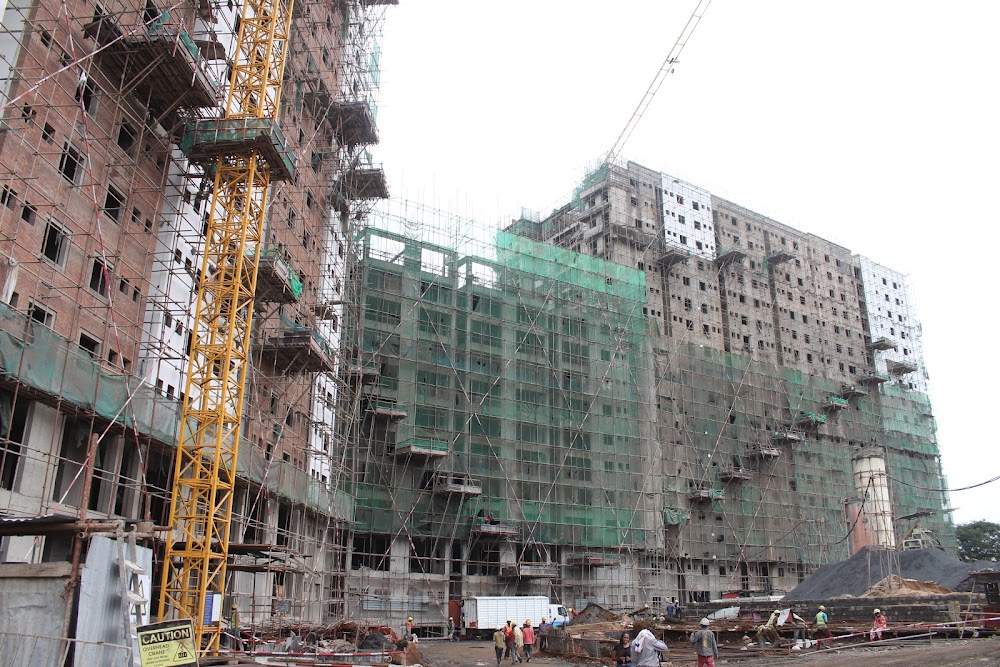
Kibera is set to benefit from an additional 15,000 affordable housing units as the second phase of the Government’s Affordable Housing Programme (AHP) gets underway in Zones C and D.
Interior Principal Secretary Raymond Omollo said on Tuesday, August 25, that the development is part of government efforts to transform informal settlements and improve living conditions in Nairobi.
Omollo said the Affordable Housing Programme, which is a key component of the Bottom-Up Economic Transformation Agenda (BETA), is intended to replace informal settlements with safer and more dignified communities.
The first phase of the Kibra Soweto project in Zone B is already under development. The project comprises 18 high-rise residential blocks with a total of 4,054 housing units.
Construction of Phase II in Zones C and D has also commenced, with the contractor already on site and clearance works underway. The phase is expected to deliver a further 15,000 housing units.
According to Omollo, families displaced to make way for the project have already been issued identification cards and will receive priority when the new homes are completed.
He said the development would also create employment and business opportunities for Kibera residents, particularly young people and women, throughout the construction process.
The project’s master plan includes more than residential buildings. It provides for commercial and retail spaces, community facilities and essential infrastructure, including community halls, Early Childhood Development (ECD) centres, health clinics, water and electricity networks, waste management facilities, sewerage systems and stormwater drainage.
Also Read: Ruto: I Tried to Bring Uhuru on Board, but He Chose Opposition Politics
The announcement comes a day after the government unveiled the Shauri Moyo B Affordable Housing Project in Nairobi.
The project, being developed alongside Shauri Moyo A, will provide 4,566 mixed-use housing units, supported by a kindergarten, clubhouse, shopping mall, hospital and swimming pool.
Omollo said the Shauri Moyo development is also part of the government’s wider Slum Upgrading Programme, which seeks to replace informal settlements with safer, better-planned urban communities.
Construction of the project is expected to generate thousands of jobs for skilled and semi-skilled workers, including engineers, technicians, artisans, contractors, suppliers, transport operators and other players within the construction value chain.