Two lobby groups have petitioned the National Assembly to suspend public borrowing for two years, setting the stage for renewed debate over Kenya’s growing debt burden and long-term fiscal sustainability.
The petition, filed by the Bunge Mashinani Initiative and the Kiambu County Empowerment Network, proposes a mandatory 24-month borrowing moratorium beginning in the 2027/28 financial year as part of broader efforts to rein in the country’s escalating public debt.
Presenting their case before the National Assembly’s Public Petitions Committee, the groups said Kenya’s public debt has ballooned from about Sh2.4 trillion in 2014 to more than Sh12 trillion, placing an increasingly heavy repayment burden on taxpayers.
They argued that the country can no longer rely on continuous borrowing and urged Parliament to legislate a two-year borrowing freeze starting in the next financial year.
The petitioners further claimed that debt servicing now consumes more than half of the government’s tax revenue, noting that for every Sh100 collected in taxes, about Sh68 is used to repay debt. They described the continued accumulation of debt as an unfair burden on future generations.
The groups are also calling on Parliament to reject any unbalanced budgets from the 2027/28 financial year onwards, arguing that persistent fiscal deficits are the main driver of additional borrowing.
Kenya’s 2026/27 budget carries a deficit of about Sh1.1 trillion, which will require further debt financing unless spending is curtailed.
As part of the proposed borrowing freeze, the petition recommends suspending non-essential capital projects, including new highways, dams, airport expansion works and the refurbishment of government offices.
In addition, the lobby groups want stricter controls on public expenditure, tougher anti-corruption measures and stronger parliamentary oversight of government borrowing.
They are also seeking amendments to the Public Finance Management Act to strengthen fiscal discipline and subject future borrowing decisions to enhanced parliamentary scrutiny.
The Office of the Controller of Budget has endorsed some of the governance proposals, particularly those aimed at improving transparency in debt management.
Also Read: Kenya Misses EV Adoption Target as Industry Calls for Wider Incentives
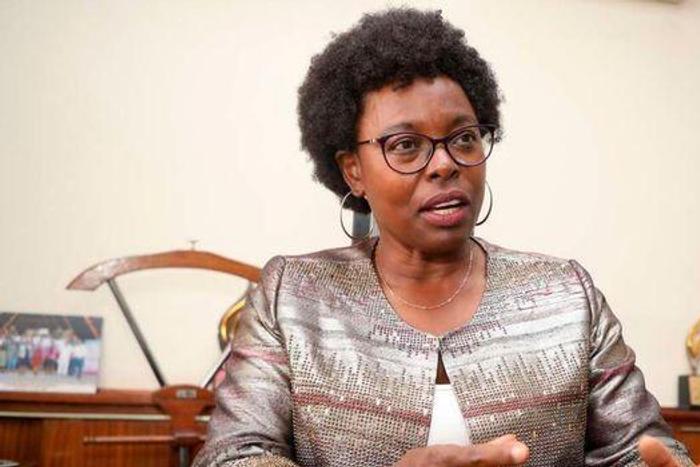
In submissions to the committee, Controller of Budget Margaret Nyakang’o supported proposals to incorporate the constitutional principle of intergenerational equity into the Public Finance Management Act and called for the creation of a central public debt registry to improve access to information on government loans and repayment obligations.
However, the office noted that under the current legal framework, the National Treasury retains the authority to contract public debt.
In her latest National Government Budget Implementation Review Report covering the first nine months of the 2025/26 financial year, Nyakang’o noted that domestic borrowing had become the government’s strongest-performing source of financing, outperforming tax revenue growth, grants and external borrowing.
The report shows domestic borrowing raised Sh965.87 billion by the end of March 2026, representing 88 percent of the annual target and contributing 30 percent of all receipts into the Consolidated Fund.
The petition is anchored on Article 201(c) of the Constitution, which requires the benefits and burdens of public borrowing to be shared fairly between present and future generations.
The National Assembly’s Public Petitions Committee is expected to review the proposals before submitting its recommendations to lawmakers, who will decide whether the proposed fiscal reforms should be adopted.