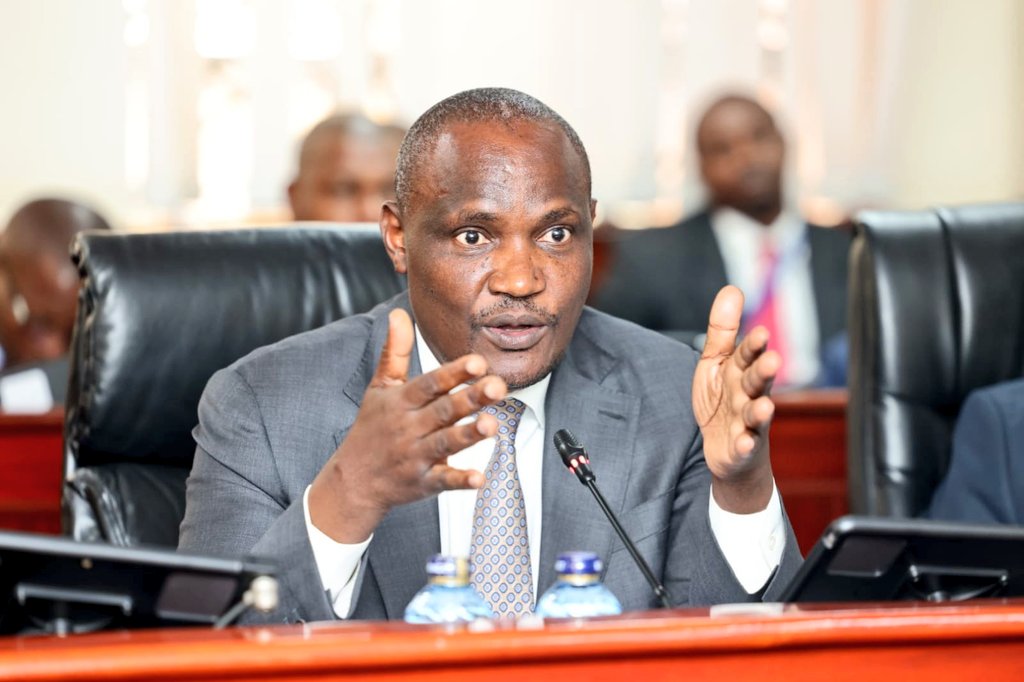
Workers earning under Sh50,000 a month stand to gain modest but tangible income tax relief under proposed changes to PAYE bands designed to leave more cash in the hands of lower-paid employees.
Treasury Cabinet Secretary John Mbadi says his ministry has drafted a Tax Laws (Amendment) Bill that would lift the tax-free income threshold from Sh24,000 to Sh30,000. Under the plan, earnings between Sh30,000 and Sh50,000 would be taxed at 25 percent, down from the current structure where income above Sh32,333 is charged at rates of between 30 and 35 percent.
The proposed easing comes at a politically delicate moment, with the government heading into the final full financial year before the August 2027 General Election. Since taking office in 2022, President William Ruto’s administration has rolled out new taxes and raised existing ones, moves that have angered many Kenyans who feel the government has drifted away from its pro-“hustler” campaign rhetoric.
If the Bill is approved, a worker earning Sh30,000 would see their monthly take-home pay rise by Sh731.25 to Sh26,925 after statutory and PAYE deductions. Someone on Sh35,000 would gain about Sh1,500, taking their net pay to Sh31,059.38, with PAYE dropping sharply from Sh1,853.13 to Sh353.13. For those earning Sh50,000, net pay would increase by roughly Sh2,127 to Sh41,156.25. These calculations already factor in higher National Social Security Fund (NSSF) contributions due to take effect later this month.
Speaking during a public budget participation forum, Mbadi said the amendment Bill would be tabled in Parliament as soon as lawmakers return from recess. He did not, however, outline any changes for earners above Sh50,000, who currently face tax rates ranging from 30 to 35 percent.
Official figures show that 1.36 million Kenyans earned below Sh50,000 in 2024, accounting for just over 42 percent of the country’s 3.21 million formal sector workers. The World Bank has urged Kenya to exempt workers earning less than Sh32,333 from both the housing levy and the Social Health Insurance Fund (SHIF) contribution, arguing that the deductions are unpopular and disproportionately squeeze low-income earners.
Also Read: Henrey EV Dealer Launches Sh320 Million Assembly Plant in Mombasa
The two levies have reduced take-home pay while pushing up employer costs, particularly after firms were required to match the 1.5 percent housing levy from June 2023. From September 2024, thousands of workers have also fallen foul of labour laws requiring employees to retain at least a third of their salary after deductions, following the introduction of a 2.75 percent SHIF charge.
Employers warn that, once loan repayments are taken into account, many workers could breach this legal threshold, exposing firms to compliance risks and possible lawsuits. This is unfolding against the backdrop of falling real wages for a fifth consecutive year, as living costs continue to outpace earnings.
Under the current system, income up to Sh24,000 is taxed at 10 percent but effectively neutralised through a Sh2,400 relief. Earnings between Sh24,001 and Sh32,333 are taxed at 25 percent, followed by a 30 percent rate up to Sh500,000. Higher bands attract 32.5 percent for income between Sh500,000 and Sh800,000, and 35 percent above that. The last major adjustment came with the Finance Act 2023, which introduced the top rates but left the lower bands untouched.
Labour data shows the largest group of workers earns between Sh50,000 and Sh99,000, followed by those in the Sh30,000–Sh49,999 range. About 104,000 workers earn between Sh20,000 and Sh29,999, while nearly 37,000 take home less than Sh20,000. Those earning above Sh100,000 number just under 400,000, around 12 percent of the formal workforce.
The World Bank has previously floated a more radical overhaul, proposing a new top tax rate of 38 percent for incomes above Sh800,000 while easing the burden on lower earners by scrapping the 30 percent band. Under that model, income up to Sh24,000 would remain tax-free, earnings up to Sh32,333 would be taxed at 15 percent, and higher bands would be restructured to reduce pressure on the lowest-paid workers.