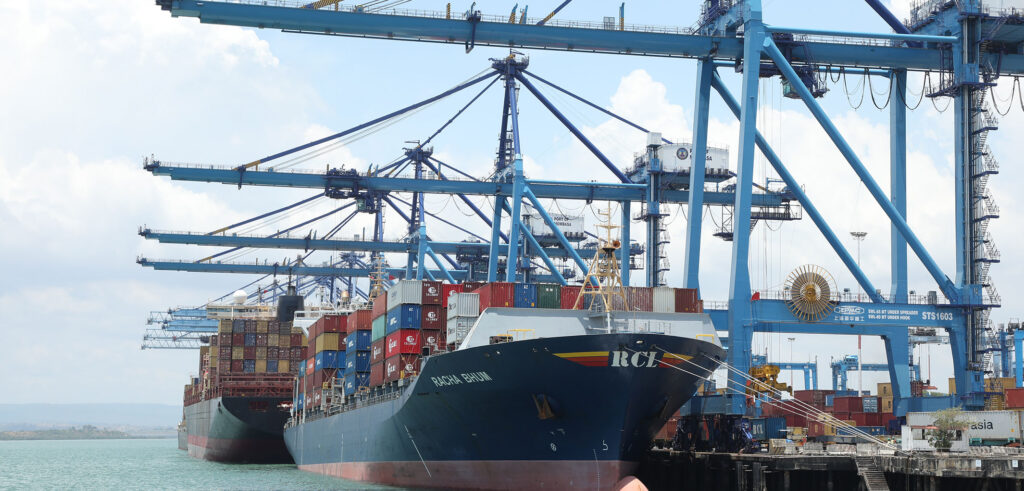
Importers, exporters and logistics firms have opposed the Kenya Revenue Authority’s (KRA) planned introduction of the Advance Cargo Declaration (ACD) system, warning that the new requirement could disrupt supply chains, increase business costs and slow cargo movement.
The tax authority is scheduled to roll out the digital platform on August 3, requiring all containerised cargo destined for Kenyan ports to be declared electronically before loading at the port of origin.
However, the Shippers Council of Eastern Africa (SCEA) is pushing for the implementation to be deferred until October, arguing that businesses are not adequately prepared and several operational issues remain unresolved.
SCEA Chief Executive Agayo Ogambi said although strengthening customs risk management is a worthwhile objective, the proposed implementation timeline is unrealistic and could negatively affect trade.
He argued that overseas suppliers are being subjected to additional compliance obligations and costs that were not included in existing commercial agreements, expenses that are likely to be passed on to consumers through higher prices.
According to Ogambi, suppliers already operate under contractual obligations with Kenyan importers, and introducing new requirements at this stage has created uncertainty and frustration.
Under the new system, exporters will be required to obtain a 15-digit Advance Cargo Declaration reference number through KRA’s online portal before cargo is loaded. To secure the code, exporters must upload documents including a draft Bill of Lading, commercial invoice, freight invoice and export declaration. The ACD reference must then be endorsed on the Bill of Lading before the shipment departs for Kenya.
SCEA, however, maintains that one of the mandatory documents, the draft Bill of Lading, is typically unavailable at the stage KRA requires because shipping lines only issue it after receiving the containers.
The council warned that delays in obtaining approval before cargo is shipped could cause containers to miss scheduled vessels or flights, increasing freight costs and interrupting supply chains. Manufacturers that rely on imported raw materials could also experience production setbacks.
The lobby further argued that the ACD duplicates information already submitted through existing government platforms, including the Import Declaration Form (IDF), cargo manifests, KenTrade and KRA customs systems.
Rather than simplifying trade procedures, the council said the new platform adds another layer of paperwork and raises compliance costs. It urged the government to adopt a single integrated declaration system that can be shared across all border agencies instead of introducing a separate reporting requirement.
SCEA also called on KRA to clarify who will bear the cost of using the new platform. If fees are introduced, the council suggested they should be covered through the existing IDF charges instead of imposing additional costs on traders.
Ogambi noted that foreign suppliers have already expressed concerns about taking on new compliance obligations without clear legal or commercial arrangements, warning that unresolved issues could result in shipment delays, higher costs and reduced government revenue.
Also Read: IMF Backs Kenya’s Sovereign Wealth Fund, Calls for Strong Governance
Industry players are also seeking clarification on whether August 3 marks the official launch of the platform or the start of mandatory compliance, noting that many importers, freight forwarders, exporters and overseas suppliers are still familiarising themselves with the new requirements.
The council believes a phased implementation would give businesses sufficient time to update their systems, train staff and comply with the new procedures without disrupting trade.
In a public notice, KRA said the Advance Cargo Declaration platform is designed to facilitate the electronic declaration of containerised cargo before it arrives in Kenya, allowing customs authorities to access shipment information earlier and improve risk management.
The new requirement will apply to importers, exporters, shipowners, carriers, shipping agents, customs agents and other stakeholders involved in international cargo movement.
Despite supporting reforms aimed at improving customs operations, traders maintain that successful implementation will require broader stakeholder engagement, integration with existing government systems and measures to avoid additional compliance costs that could undermine Kenya’s competitiveness as a regional trade hub.