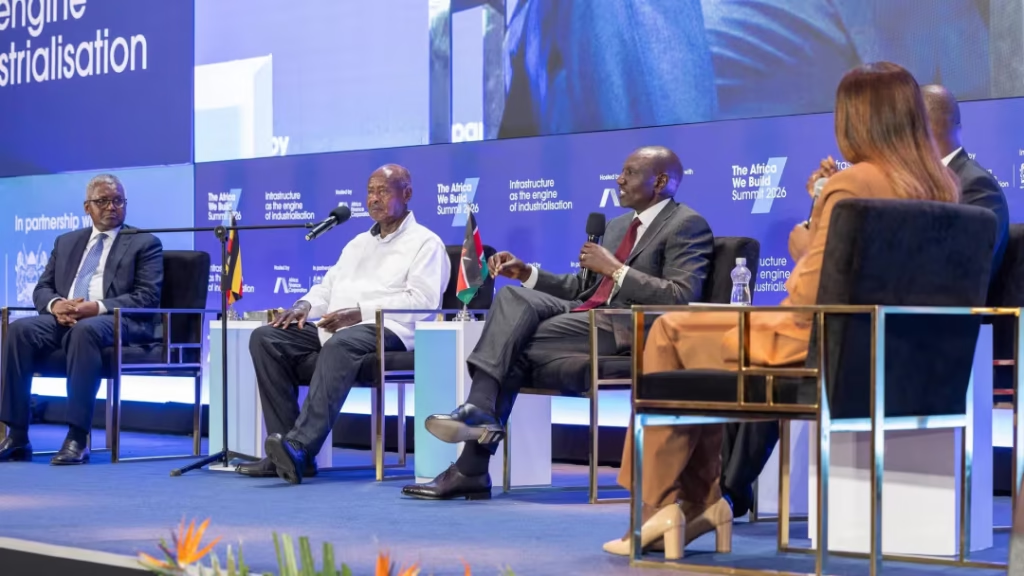
Aliko Dangote has indicated that Mombasa is now emerging as his preferred location for a proposed 650,000-barrel-per-day East African oil refinery, according to an interview published by the Financial Times on Sunday.
The apparent shift comes barely days after Tanzanian President Samia Suluhu Hassan publicly stated that she had neither been consulted nor informed about earlier announcements placing the refinery in Tanga, Tanzania.
The development has effectively thrown the proposed US$15 billion to US$17 billion mega-project into uncertainty, with no formal host country confirmed, no binding agreements signed, and growing diplomatic tension between Kenya and Tanzania complicating what had initially been presented as a settled regional venture.
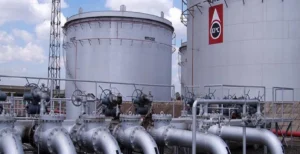
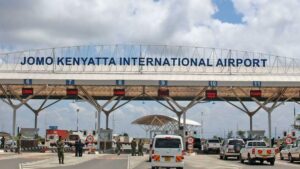
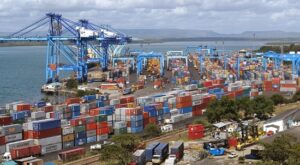
Mombasa remains East Africa’s dominant fuel import hub and serves as the backbone of the Kenya Pipeline Company distribution network supplying petroleum products to Uganda, Rwanda, and neighbouring markets.
Speaking to the Financial Times, Dangote openly favoured Kenya’s coastal city.
“I’m leaning more towards Mombasa because Mombasa has a much larger, deeper port,” he said, while also noting that Kenya’s bigger economy and stronger fuel demand made it commercially attractive.
However, Dangote added that the final decision ultimately rests with Kenyan President William Ruto.
“The ball is in the hands of President Ruto. Whatever President Ruto says is what I’ll do,” he stated.
The refinery proposal first surfaced publicly during the inaugural Africa We Build Summit held in Nairobi on April 23. During the summit, Ruto, Dangote, and Ugandan President Yoweri Museveni jointly announced plans for a regional refinery project to be located in Tanga, Tanzania.
Dangote pledged at the time to replicate the scale of his Lagos refinery within four to five years, provided East African governments backed the initiative.
Five days later, during the Kenya Mining Investment Conference in Nairobi, Ruto appeared to reinforce the decision, declaring that Kenya, Uganda, Tanzania, and South Sudan had agreed to jointly establish a major regional refinery.
The matter took a dramatic turn when Ruto visited Dar es Salaam on May 4 for a state visit. During a joint press briefing, President Suluhu openly criticised the announcement, revealing she had not been consulted on the Tanga proposal.
“While we were speaking inside, I pressed Ruto and asked him: you went ahead and announced a refinery in Tanga which I wasn’t aware of,” Suluhu remarked publicly, before adding that Ruto would need to explain the situation himself.
Ruto later admitted that his earlier discussions had primarily involved Museveni and conceded that, had he anticipated the diplomatic fallout, he would likely have proposed Mombasa instead.
Also Read: CBK Raises KSh 94Bn in FY2025/26’s First Three-Bond Auction
The following day, while addressing Tanzania’s Parliament in Dodoma, Ruto defended the proposal in Swahili, arguing that he had suggested Tanga as a gesture of regional cooperation rather than seeking to bring the investment exclusively to Kenya.
The visit nevertheless produced eight signed memoranda of understanding between Kenya and Tanzania, alongside a June 30 deadline to remove bilateral non-tariff trade barriers.
Just days later, Dangote’s remarks to the Financial Times exposed Mombasa as his preferred option all along. Kenya’s port infrastructure advantage had always been evident, raising fresh questions over why the preference only became public after a diplomatic disagreement between the two neighbouring states.
Beyond politics, the refinery still faces a major supply challenge.
According to The EastAfrican, the four countries initially expected to supply crude oil for the refinery can currently produce a combined 281,000 barrels per day, well below the refinery’s planned processing capacity of 650,000 barrels daily.